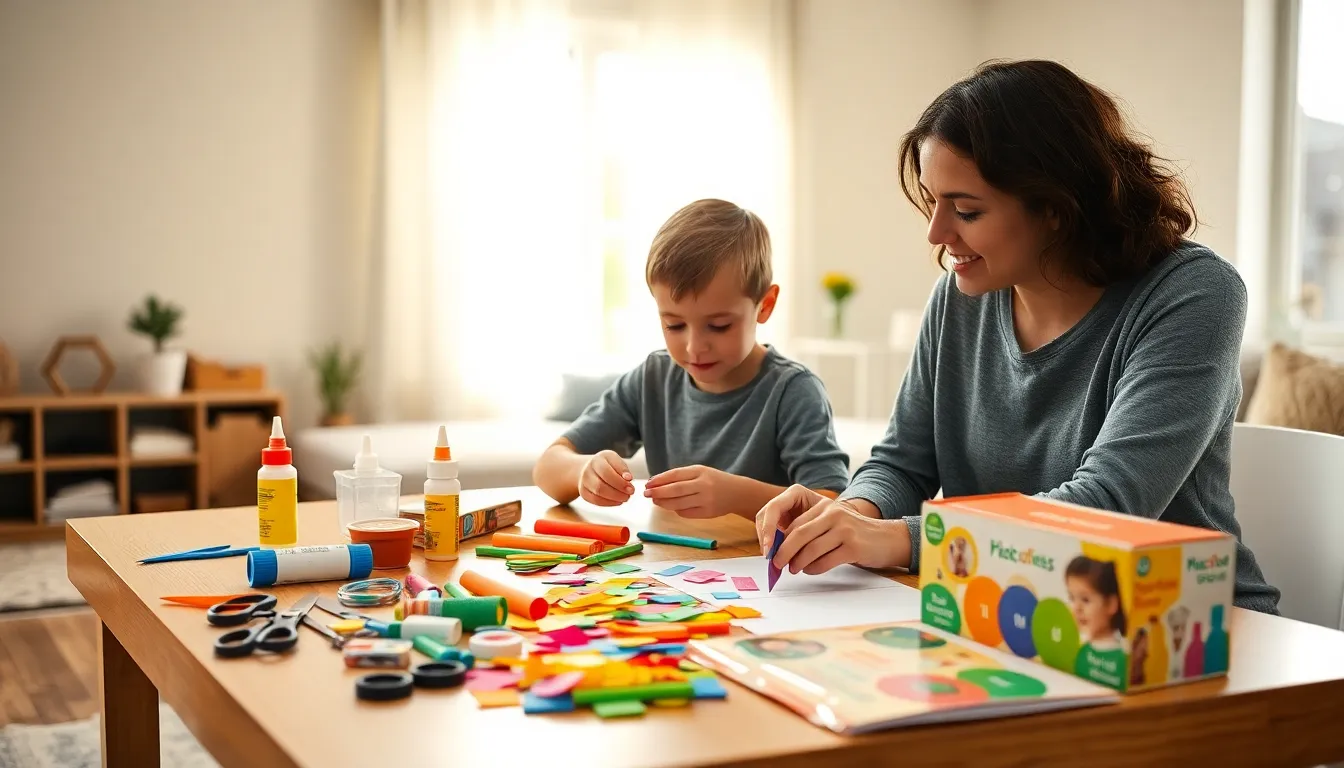
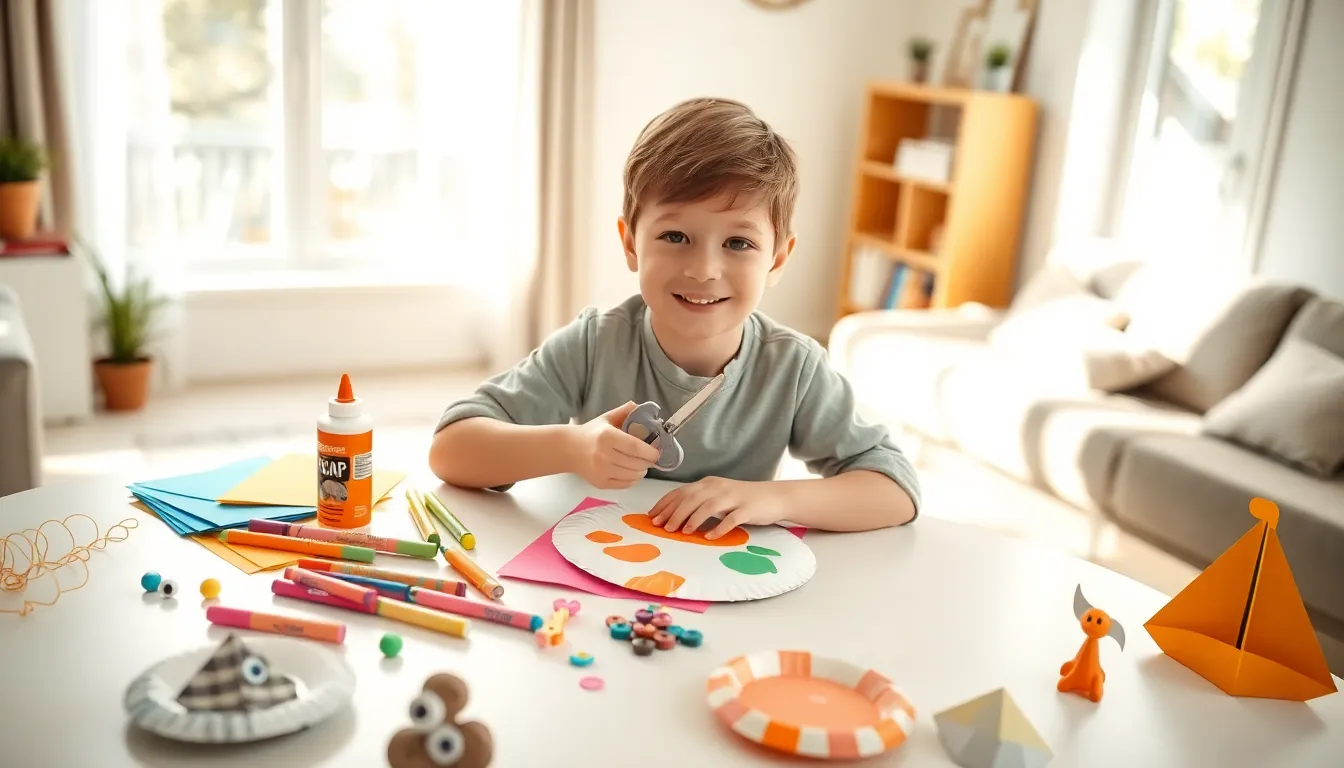
Crafts and DIY for kids offer more than just a fun afternoon activity. They build creativity, sharpen motor skills, and give children a sense of accomplishment. Whether a parent wants to keep little hands busy on a rainy day or a teacher needs classroom project ideas, this guide covers everything. From essential supplies to age-appropriate projects, readers will find practical advice to make crafting enjoyable for everyone involved.
Table of Contents
ToggleKey Takeaways
- Crafts and DIY for kids build fine motor skills, creativity, and confidence while providing quality bonding time with caregivers.
- Stock essential supplies like safety scissors, non-toxic glue, washable markers, and recycled materials to encourage spontaneous crafting.
- Match projects to your child’s age—toddlers thrive with sensory activities like finger painting, while elementary kids enjoy complex projects like friendship bracelets and origami.
- Prep materials in advance and protect your workspace to keep crafting sessions stress-free and enjoyable.
- Focus on the creative process rather than perfection, and display finished artwork to boost your child’s self-esteem.
- Involve kids in cleanup to teach responsibility and make it part of the fun.
Why Crafts and DIY Projects Benefit Children
Crafts and DIY projects do more than fill time. They support child development in several key areas.
Fine Motor Skill Development
Cutting paper, gluing pieces together, and threading beads all strengthen small hand muscles. These activities prepare children for writing, buttoning clothes, and other daily tasks. Research shows that hands-on activities improve coordination faster than passive play.
Boosting Creativity and Problem-Solving
When kids craft, they make decisions. They choose colors, shapes, and materials. They figure out how to attach one piece to another. This process encourages independent thinking. A 2022 study from the American Academy of Pediatrics found that creative play supports cognitive flexibility in children ages 3 to 10.
Building Confidence
Finishing a project gives children a tangible result. They can hold their creation, show it off, or give it as a gift. This accomplishment builds self-esteem. Kids learn that effort leads to results, a lesson that carries into schoolwork and beyond.
Quality Bonding Time
Crafts and DIY for kids create opportunities for connection. Parents, grandparents, or caregivers can work alongside children. These shared moments often lead to conversations and memories that last.
Essential Supplies to Keep on Hand
A well-stocked craft station makes spontaneous projects possible. Here are the basics every household or classroom should have:
- Paper and cardstock – Construction paper, white copy paper, and cardstock work for most projects.
- Safety scissors – Look for blunt-tipped options for younger children.
- Non-toxic glue – Glue sticks work best for toddlers. White school glue suits older kids.
- Washable markers and crayons – Washable options save furniture and clothing.
- Paints and brushes – Tempera paint cleans up easily. Watercolors offer a different effect.
- Pipe cleaners and pom-poms – These add texture and dimension to crafts.
- Googly eyes – Kids love adding faces to their creations.
- Recycled materials – Cardboard tubes, egg cartons, and bottle caps cost nothing and inspire creativity.
Storage matters too. Clear bins or labeled containers help children find what they need. An organized craft area encourages independence, kids can start projects without waiting for an adult to locate supplies.
Buying supplies in bulk saves money over time. Dollar stores and online retailers often sell craft basics at low prices. Parents can also ask friends and family to save recyclables for future crafts and DIY for kids projects.
Age-Appropriate Craft Ideas
Matching projects to a child’s age keeps frustration low and engagement high. Here are ideas sorted by developmental stage.
Toddlers and Preschoolers
Children ages 2 to 5 benefit from simple, sensory-rich activities. Their attention spans are short, so quick projects work best.
- Finger painting – Let kids squish paint with their hands. Cover the table with newspaper for easy cleanup.
- Paper plate animals – A paper plate becomes a lion, fish, or owl with some paint and construction paper.
- Sticker collages – Peeling and placing stickers develops fine motor control.
- Play dough creations – Homemade or store-bought, play dough lets little ones sculpt freely.
- Torn paper mosaics – Tearing paper is easier than cutting. Kids glue pieces to form pictures.
Supervision is important at this age. Small items like googly eyes can pose choking hazards. Always use non-toxic, washable materials.
Elementary School Kids
Children ages 6 to 12 can handle more complex crafts and DIY for kids projects. They enjoy following instructions and adding personal touches.
- Friendship bracelets – Braiding embroidery thread teaches patterns and patience.
- Cardboard box creations – A large box becomes a spaceship, castle, or playhouse.
- Painted rocks – Smooth rocks transform into pets, paperweights, or garden decorations.
- Origami – Paper folding introduces geometry concepts while producing impressive results.
- Homemade slime – Mixing glue, water, and borax creates a satisfying sensory toy.
- Bird feeders – Coating a pine cone with peanut butter and birdseed combines craft with nature study.
Older kids often want their projects to serve a purpose. Encourage them to make gifts, decorations, or functional items like pencil holders.
Tips for Stress-Free Crafting Sessions
Crafts and DIY for kids should feel fun, not chaotic. A few strategies keep sessions enjoyable for everyone.
Set Up Before You Start
Gather all materials before inviting kids to the table. Prep work, like cutting shapes or mixing paint, saves time and prevents impatience.
Protect the Workspace
Cover tables with plastic tablecloths, old newspapers, or a vinyl mat. Dress kids in old clothes or smocks. Accepting that messes happen reduces stress.
Let Go of Perfection
A child’s craft won’t look like the Pinterest example. That’s okay. The process matters more than the product. Resist the urge to “fix” their work.
Keep Sessions Short
Toddlers may last 10 minutes. Older kids might focus for an hour. Watch for signs of frustration or boredom and wrap up before meltdowns occur.
Display Finished Work
Hanging artwork on the fridge or a dedicated gallery wall shows children that their efforts are valued. Rotate displays to keep things fresh.
Involve Kids in Cleanup
Making cleanup part of the activity teaches responsibility. Turn it into a game by setting a timer or playing music.