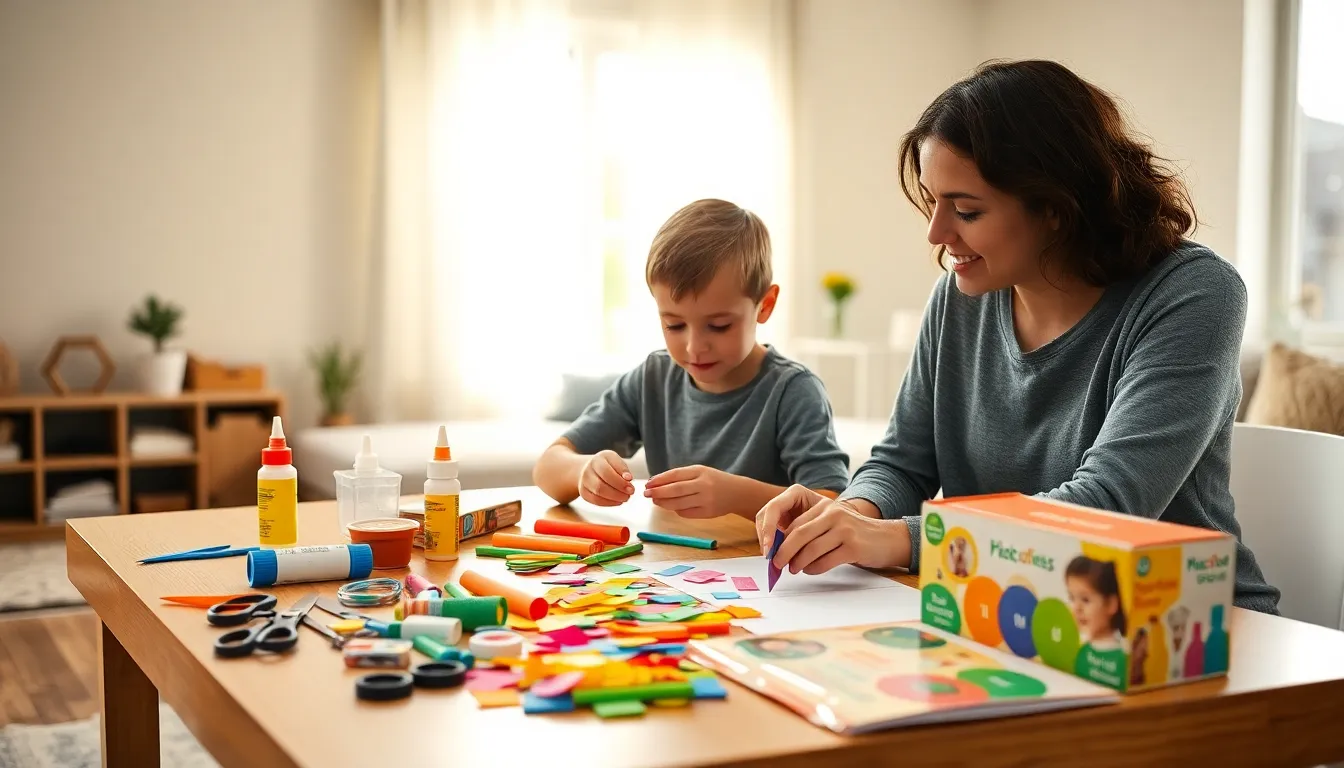
Single parenting presents unique challenges that require practical strategies and intentional planning. Whether by choice or circumstance, millions of parents raise children on their own each year. Learning how to single parenting effectively means building systems that support both parent and child. This guide offers actionable advice for creating stability, managing daily life, and fostering emotional health within a single-parent household.
Table of Contents
ToggleKey Takeaways
- Single parenting becomes more manageable when you build a reliable support network of family, friends, and community resources.
- Establish consistent daily routines and delegate age-appropriate tasks to children to reduce stress and teach accountability.
- Prioritize self-care including sleep, exercise, and social connections—taking care of yourself directly benefits your children.
- Create regular opportunities for open communication with your children to nurture their emotional well-being.
- Accept that “good enough” is okay in single parenting; a slightly messy house matters less than quality time with your kids.
- Celebrate your single-parent family as complete—build traditions, create happy memories, and remind children they are loved.
Building a Strong Support System
Single parents benefit greatly from a reliable support network. Friends, family members, neighbors, and community groups can all provide essential help. No parent should feel obligated to handle everything alone.
Start by identifying people who can assist with childcare, transportation, or emotional support. Grandparents, siblings, and close friends often want to help but may not know how. Be specific when asking for assistance. A request like “Can you pick up my daughter from soccer practice on Thursdays?” works better than vague appeals for help.
Local organizations offer resources specifically for single parents. Churches, community centers, and parenting groups host events where single parents can connect. These connections provide practical benefits and reduce feelings of isolation.
Online communities also serve as valuable support systems. Facebook groups, forums, and apps designed for single parents create spaces to share experiences and advice. Many single parents find comfort in knowing others face similar situations.
Professional support matters too. Therapists, counselors, and family coaches can help single parents develop coping strategies. Some employers offer employee assistance programs that include counseling services at no cost.
Building this network takes time and effort. Single parenting becomes easier when parents invest in relationships that offer mutual support. Strong connections create a safety net for both parent and child.
Managing Time and Daily Responsibilities
Time management stands as one of the biggest challenges in single parenting. One person handles tasks that two-parent households divide. Success requires organization and realistic expectations.
Create a weekly schedule that includes work, school activities, meals, and household chores. Use digital calendars or physical planners to track commitments. Share age-appropriate calendars with children so they understand the family routine.
Meal planning saves significant time and reduces stress. Prepare meals in batches on weekends and use slow cookers or instant pots for busy weekdays. Involve children in cooking when possible, they learn life skills while helping out.
Establish consistent routines for mornings and evenings. Children thrive with predictability, and routines reduce daily decision fatigue for parents. A set bedtime routine, for example, makes evenings smoother for everyone.
Delegate tasks based on children’s ages and abilities. A five-year-old can put toys away. A ten-year-old can help fold laundry. Teenagers can prepare simple meals. Sharing responsibilities teaches children accountability and lightens the parent’s load.
Some tasks simply won’t get done perfectly, and that’s okay. Single parenting requires accepting “good enough” in certain areas. A slightly messy house matters less than quality time with children.
Consider which tasks can be outsourced or simplified. Grocery delivery, automatic bill payments, and simplified cleaning routines all free up time. Identify what drains energy without adding value and find alternatives.
Prioritizing Self-Care as a Single Parent
Self-care often falls to the bottom of a single parent’s priority list. But, parents who neglect their own needs eventually burn out. Taking care of yourself directly benefits your children.
Sleep affects everything, mood, patience, decision-making, and physical health. Single parents should protect their sleep whenever possible. This might mean setting an earlier bedtime or asking for help during particularly exhausting periods.
Physical activity reduces stress and boosts energy levels. Exercise doesn’t require a gym membership. Walking, home workouts, or playing actively with children all count. Even 20 minutes of movement improves mental clarity.
Social connections outside of parenting roles matter for mental health. Maintain friendships and make time for adult conversation. Even brief phone calls or coffee dates provide necessary breaks from parenting responsibilities.
Hobbies and personal interests deserve space in a single parent’s life. Reading, crafting, gardening, or any enjoyable activity helps maintain a sense of identity beyond parenthood. Schedule this time just as you would any other important appointment.
Financial stress weighs heavily on many single parents. Working with a financial advisor or using budgeting apps can reduce anxiety. Creating an emergency fund, even slowly, provides peace of mind.
Single parenting demands acknowledging when help is needed. Seeking therapy or counseling isn’t weakness, it’s practical self-care. Mental health support helps parents model healthy emotional habits for their children.
Nurturing Your Child’s Emotional Well-Being
Children in single-parent households need consistent emotional support. They may experience confusion, sadness, or anxiety about their family structure. Open communication helps children process these feelings.
Create regular opportunities for one-on-one conversation. Car rides, mealtimes, and bedtime offer natural moments to talk. Ask open-ended questions and listen without judgment. Children need to know their feelings are valid.
Maintain age-appropriate honesty about family circumstances. Children don’t need every detail, but they do need truthful explanations. Avoid speaking negatively about the other parent, if applicable, as this puts children in an uncomfortable position.
Consistency provides emotional security for children. Keep rules, expectations, and consequences stable. When both parents are involved, work toward consistent guidelines between households.
Quality time matters more than quantity. Single parenting often limits available hours, but focused attention during available time builds strong bonds. Put away phones during family activities and be fully present.
Watch for signs of emotional distress. Changes in behavior, sleep, appetite, or school performance may indicate a child needs additional support. School counselors, therapists, and pediatricians can help address concerns.
Celebrate your family structure. Single-parent families are complete families. Build traditions, create happy memories, and remind children regularly that they are loved. Positive framing helps children develop healthy self-esteem.