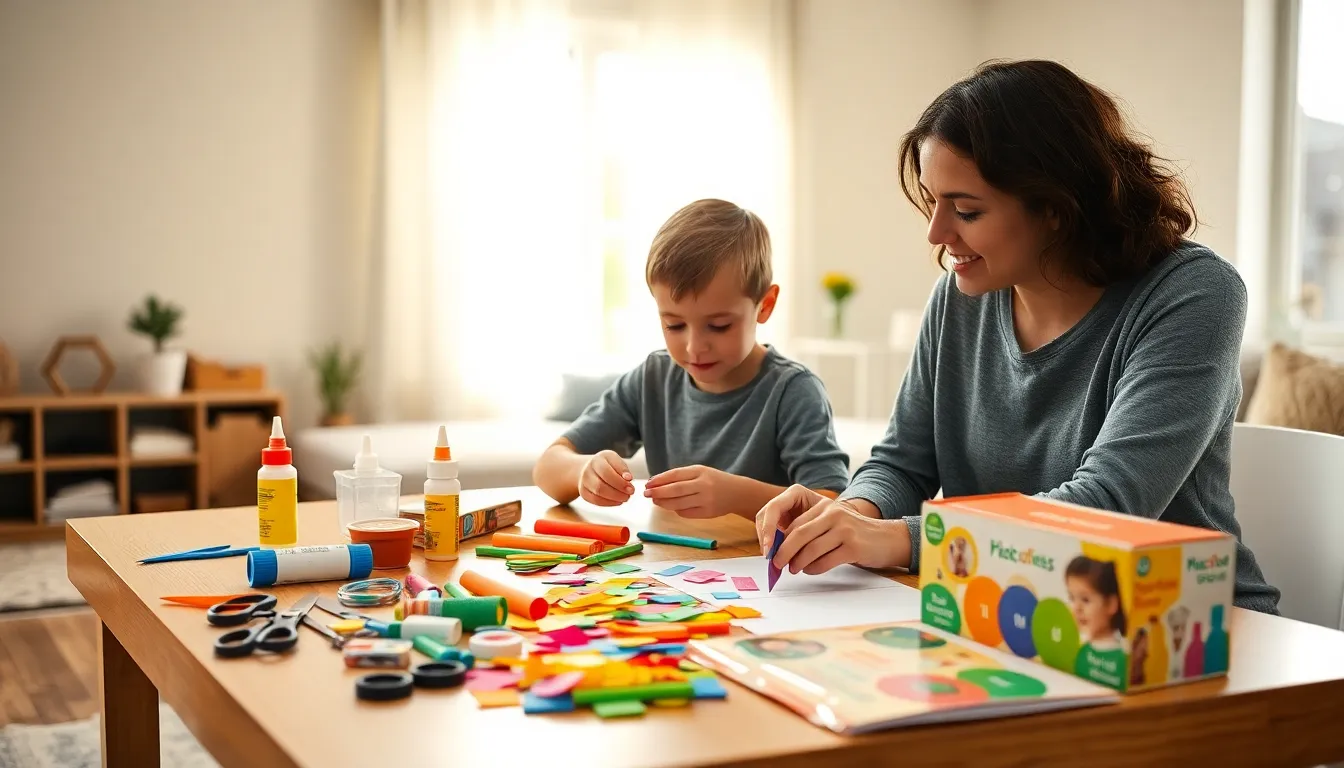
Single parenting for beginners can feel overwhelming. One day, life looks a certain way. The next, everything shifts. Suddenly, decisions about bedtimes, budgets, and birthday parties rest on one set of shoulders.
Here’s the good news: millions of single parents raise happy, healthy kids every year. According to the U.S. Census Bureau, about 21% of children in America live with a single parent. That’s a lot of people figuring this out, and thriving.
This guide covers the essentials. From adjusting to a new role to building support networks, managing money, and protecting your own well-being, single parenting for beginners doesn’t have to mean struggling alone. It means learning the right strategies from the start.
Table of Contents
ToggleKey Takeaways
- Single parenting for beginners becomes easier when you set realistic expectations and establish consistent daily routines for your children.
- Build a reliable support system by connecting with family, friends, other single parents, and professional resources like therapists or financial advisors.
- Use digital calendars, batch similar tasks together, and learn to say no to protect your time and reduce overwhelm.
- Create a realistic budget, build an emergency fund, and research assistance programs like SNAP or childcare subsidies to manage finances effectively.
- Prioritize your child’s emotional health through open communication, quality one-on-one time, and watching for behavioral changes that signal distress.
- Protect your own well-being by maintaining adult friendships, pursuing personal interests, and seeking professional help if you experience signs of depression or anxiety.
Adjusting to Your New Role as a Single Parent
The first weeks and months of single parenting bring a steep learning curve. Routines that once involved two adults now depend on one. That adjustment takes time, and it’s okay to feel uncertain.
Start by accepting that perfection isn’t the goal. Single parenting for beginners works best when expectations stay realistic. Some nights, dinner might be cereal. Some mornings, matching socks won’t happen. That’s fine.
Focus on creating consistent routines. Kids thrive on predictability. Set regular times for meals, assignments, and bedtime. These anchors provide stability during a period of change.
It also helps to redefine success. A successful day might mean everyone got fed, assignments got done, and nobody cried too much. Celebrate those wins. They add up.
Give yourself permission to grieve the life you expected. Whether single parenting came through divorce, separation, or other circumstances, loss is part of the equation. Processing those emotions, through journaling, therapy, or honest conversations with friends, makes handling daily responsibilities easier.
Building a Support System You Can Rely On
No single parent should operate in isolation. Building a reliable support system ranks among the most important steps in single parenting for beginners.
Start with family and close friends. Be specific about what you need. Instead of saying “I need help,” try “Can you pick up the kids on Thursday afternoons?” Specific requests get better results.
Connect with other single parents. Local community centers, churches, and schools often host single-parent groups. Online communities on Facebook and Reddit also offer spaces to share experiences and advice. These connections remind you that others face similar challenges.
Consider practical support options:
- Babysitting co-ops: Trade childcare with other parents
- Meal trains: Organize occasional help with dinners during tough weeks
- Carpool arrangements: Share school and activity transportation
Don’t overlook professional support either. A family therapist can help kids process changes. A financial advisor can clarify money questions. These experts provide guidance that friends and family might not offer.
Asking for help isn’t weakness. It’s strategy. Single parenting for beginners becomes manageable when the right people stand ready to assist.
Managing Time and Finances Effectively
Time and money create the biggest practical challenges for single parents. Both require intentional management.
Time Management Tips
Single parenting for beginners demands smart scheduling. Use digital calendars to track appointments, school events, and work deadlines. Share access with trusted family members who help with logistics.
Batch similar tasks together. Grocery shopping, meal prep, and laundry work better in dedicated blocks rather than scattered throughout the week. Sunday afternoons often become prime planning time for single-parent households.
Learn to say no. Every birthday party invitation, volunteer opportunity, and extra activity doesn’t require a yes. Protect family time by choosing commitments carefully.
Financial Strategies
Create a realistic budget. Track income and expenses for one month to understand where money actually goes. Apps like Mint or YNAB simplify this process.
Build an emergency fund, even if contributions start small. Aim for $500 to $1,000 initially, then work toward three months of expenses. This buffer prevents minor emergencies from becoming crises.
Research available assistance programs. Many single parents qualify for help with childcare, food, healthcare, or housing. Government programs like SNAP, Medicaid, and childcare subsidies exist specifically for families in transition.
Teach kids age-appropriate money lessons. Even young children can understand that families make choices about spending. This transparency builds financial literacy and reduces pressure around material requests.
Prioritizing Your Child’s Emotional Needs
Children process family changes differently than adults. Single parenting for beginners requires attention to kids’ emotional health alongside practical concerns.
Maintain open communication. Let children ask questions and express feelings without judgment. Validate their emotions: “It makes sense that you feel sad about this change.”
Avoid putting kids in the middle of adult conflicts. If another parent remains involved, keep disagreements private. Children shouldn’t carry messages between households or hear negative comments about the other parent.
Watch for behavioral changes that signal distress:
- Sleep disruptions
- Changes in appetite
- Withdrawal from friends or activities
- Declining school performance
- Increased anger or anxiety
These signs may indicate a child needs extra support. School counselors and child therapists specialize in helping kids process difficult transitions.
Create quality one-on-one time. This doesn’t require expensive outings. Reading together before bed, cooking a meal, or taking walks creates connection. Kids remember presence more than presents.
Reassure children that the family situation isn’t their fault. Young children especially tend to blame themselves for adult problems. Repeated reassurance helps counter this tendency.
Taking Care of Yourself Along the Way
Single parenting for beginners often leads to burnout when self-care gets ignored. Parents who neglect their own needs eventually have less to give their children.
Protect your physical health. Sleep, nutrition, and exercise matter, even when time feels scarce. A 20-minute walk while kids ride bikes counts as both family time and personal wellness.
Maintain adult relationships. Friendships and social connections provide emotional refueling that children can’t offer. Schedule regular time with friends, even if it’s just a monthly coffee date.
Pursue at least one personal interest. Hobbies provide identity beyond parenthood. Whether that’s reading, gardening, gaming, or crafting, these activities restore energy and maintain a sense of self.
Recognize signs of depression or anxiety. Single parents face higher rates of mental health challenges. Persistent sadness, hopelessness, or inability to function normally warrant professional attention. Therapy and medication help many parents manage these conditions.
Accept that some days will be hard. Single parenting includes moments of loneliness, frustration, and exhaustion. Those feelings don’t mean failure. They mean being human while handling a demanding job.