The best family routines turn chaotic mornings into smooth launches and transform hectic evenings into moments of real connection. Every household needs structure, but not the rigid kind that feels like a chore. Good routines create predictability without sucking the joy out of daily life.
Families who establish consistent habits report less stress, better communication, and stronger bonds. Kids thrive when they know what comes next. Parents breathe easier when they’re not reinventing the wheel every single day. This guide covers practical family routines that work, from sunrise to weekend adventures, along with tips for making them stick long-term.
Table of Contents
ToggleKey Takeaways
- The best family routines reduce stress, improve communication, and create emotional security for children while remaining flexible enough to handle life’s unexpected moments.
- Prepare for smooth mornings the night before by laying out clothes, packing lunches, and loading backpacks to eliminate last-minute chaos.
- Establish consistent after-school landing sequences and designated homework times to prevent forgotten assignments and evening battles.
- Family dinners are one of the most powerful routines—shared meals boost academic performance and strengthen family bonds regardless of how simple the food is.
- Start small by mastering one routine at a time and involve kids in the planning process to increase their buy-in and cooperation.
- Give new family routines at least three weeks of consistent practice before they become automatic habits that stick long-term.
Why Family Routines Matter
Family routines do more than keep households organized. They build emotional security and teach children essential life skills. Research from the American Academy of Pediatrics shows that children with consistent routines display better emotional regulation and fewer behavioral problems.
Routines reduce daily decision fatigue. Parents don’t have to negotiate screen time or bedtime every single night when clear expectations exist. Kids stop pushing boundaries because they understand the structure. Everyone saves mental energy for things that actually matter.
Strong family routines also create shared rituals. These small, repeated moments, breakfast together on Tuesdays, movie night on Fridays, become the memories children carry into adulthood. They’re the glue that holds families together during busy seasons and stressful transitions.
The best family routines flex when needed. They provide a framework, not a prison. A sick child or unexpected work deadline shouldn’t cause the whole system to collapse. Effective routines bend without breaking.
Morning Routines That Start the Day Right
Mornings set the tone for everything that follows. A rushed, chaotic start creates stress that lingers well into the afternoon. Smart family routines front-load the hard work so mornings run themselves.
Prep the Night Before
Successful mornings actually begin the evening before. Families can lay out clothes, pack lunches, and load backpacks before bed. This simple habit eliminates the frantic search for missing shoes at 7:45 AM.
Create a Visual Schedule
Younger children benefit from picture-based checklists. They can see what comes next: get dressed, eat breakfast, brush teeth, grab backpack. Older kids can manage written lists or phone reminders. Either way, the routine becomes self-directed rather than parent-driven.
Build in Buffer Time
The best family routines include margin for error. Wake everyone up 15 minutes earlier than strictly necessary. That cushion absorbs the inevitable delays, spilled cereal, forgotten assignments, last-minute bathroom emergencies.
Make Mornings Pleasant
Some families play music during breakfast. Others share one thing they’re looking forward to that day. These small touches transform mornings from survival mode into actual connection time.
After-School and Evening Routines
The hours between school dismissal and bedtime often feel like controlled chaos. Good family routines bring order to this high-energy window.
The Arrival Routine
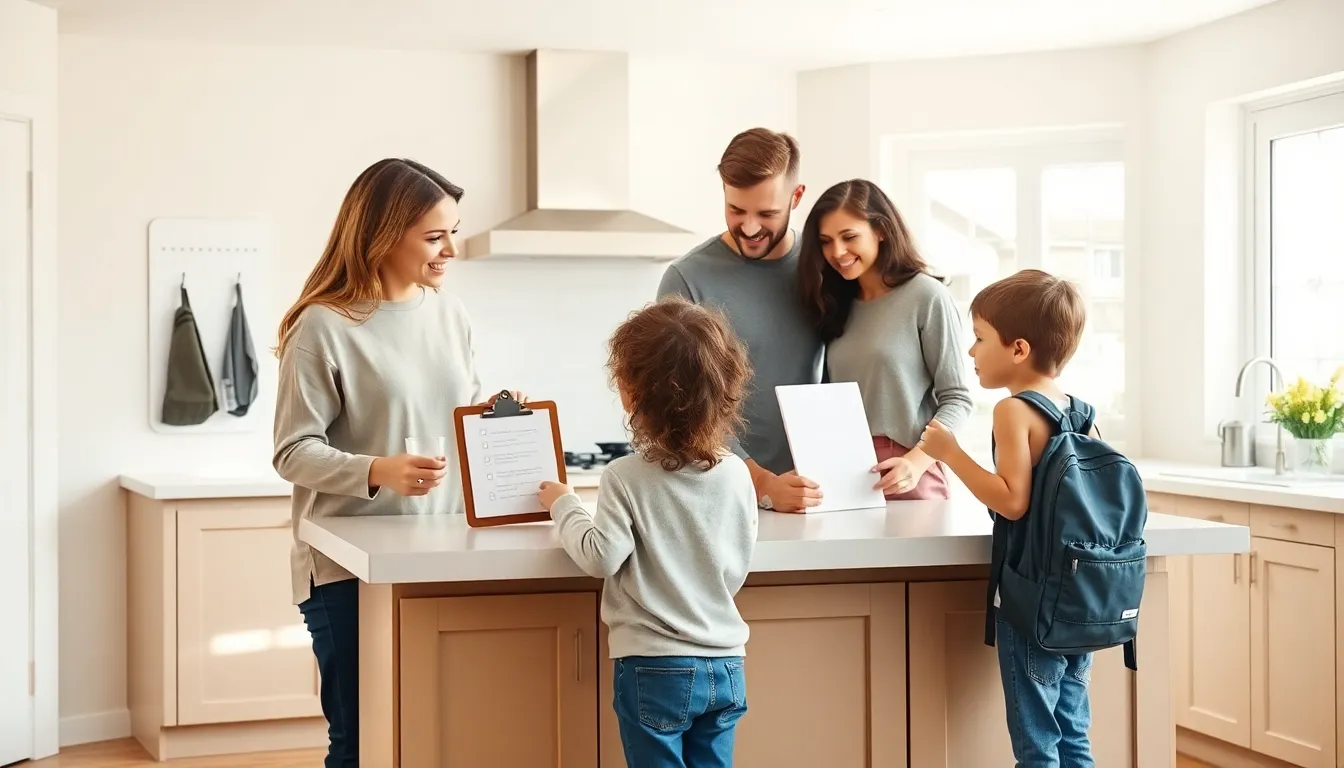
Kids need a consistent landing sequence when they walk through the door. Backpacks go in a designated spot. Lunchboxes hit the counter. Any papers requiring signatures come out immediately. This 5-minute routine prevents the Sunday night panic of “I forgot to tell you about the permission slip.”
Assignments and Downtime Balance
Effective family routines designate specific assignments times. Some children work best right after school while information is fresh. Others need a snack and 30 minutes of play first. The key is consistency, same time, same place, same expectations.
Dinner as an Anchor
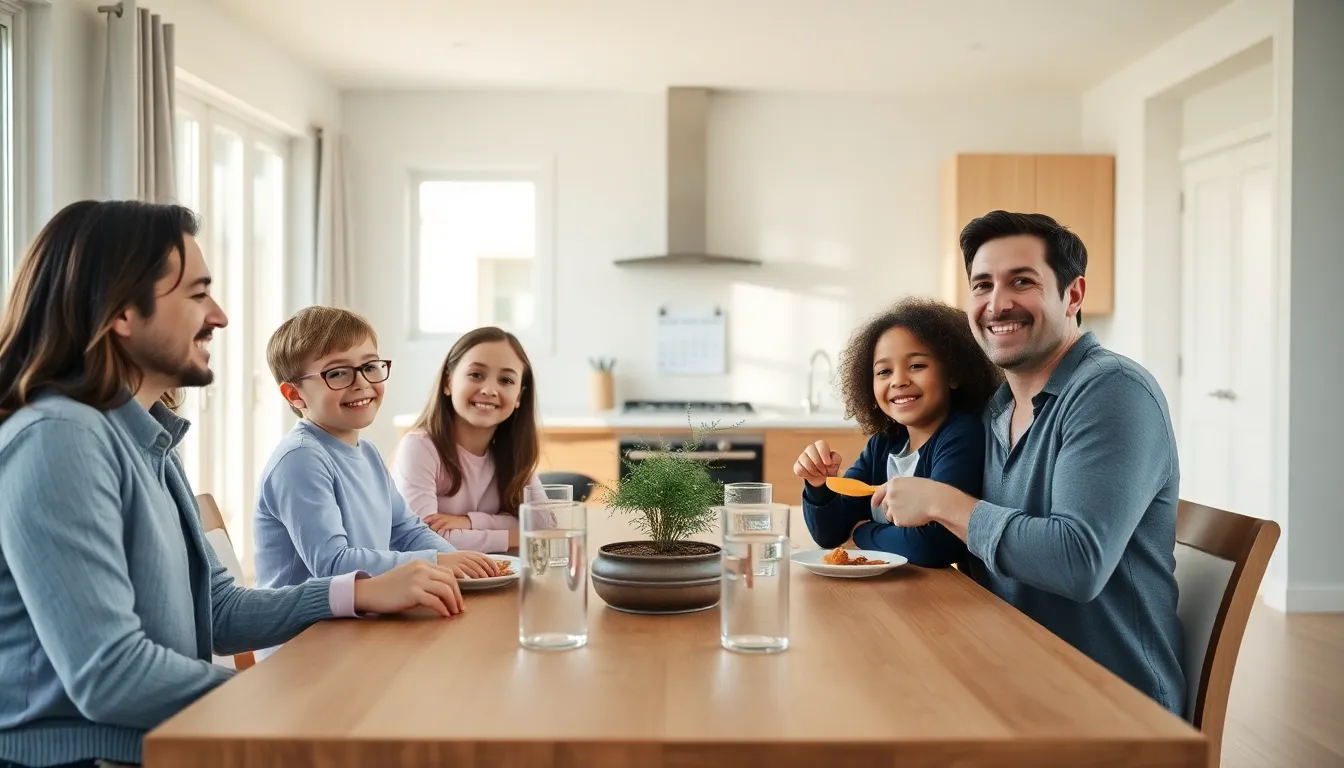
Family dinners remain one of the most powerful routines available. Studies consistently link shared meals with better academic performance, lower rates of substance abuse, and stronger family relationships. The meal doesn’t need to be elaborate. Frozen pizza at the table together beats gourmet food eaten in shifts.
The Bedtime Wind-Down
Best family routines include a clear bedtime sequence. Bath, pajamas, teeth, story, lights out. Children’s brains respond to these cues. The routine signals that sleep is coming, making the transition smoother for everyone.
Weekend Routines for Quality Time
Weekends require different routines than weekdays. The goal shifts from efficiency to connection and rest.
Saturday Morning Traditions
Many families establish a signature Saturday activity. Pancake breakfast, farmers market trips, or backyard soccer games give kids something to anticipate all week. These traditions don’t require money or elaborate planning, just consistency.
Balance Chores and Fun
Smart family routines build household tasks into weekend mornings. When everyone pitches in for an hour, the house gets clean and the rest of the day opens up. Kids who participate in family chores develop responsibility and competence.
Protected Family Time
The best family routines include at least one activity that brings everyone together. Board game sessions, hiking, cooking a special meal, or watching a movie creates shared experiences. Protect this time from sports schedules, work emails, and social obligations when possible.
Sunday Reset
A Sunday evening reset routine prepares families for the week ahead. This might include meal planning, reviewing the calendar, and getting everyone’s gear ready. Starting Monday already organized reduces stress significantly.
Tips for Building Routines That Stick
Knowing what routines to establish is only half the battle. Making them last requires strategy.
Start Small
Families often fail by attempting too much at once. Pick one routine, maybe the morning checklist or the bedtime sequence, and master it before adding more. Small wins build momentum.
Involve Everyone
Children follow routines better when they help create them. Ask kids what would make mornings easier or how they’d like to spend Saturday afternoons. Their input increases buy-in dramatically.
Stay Consistent for Three Weeks
New family routines feel awkward at first. Habits typically require 21 days of consistent practice before they become automatic. Push through the initial resistance period.
Adjust Without Abandoning
A routine that doesn’t work needs tweaking, not scrapping. If the after-school assignments time creates constant battles, try a different approach. The best family routines evolve with the family’s needs.
Celebrate Progress
Acknowledge when routines are working. A simple “We’ve had smooth mornings all week.” reinforces the behavior and motivates continued effort.