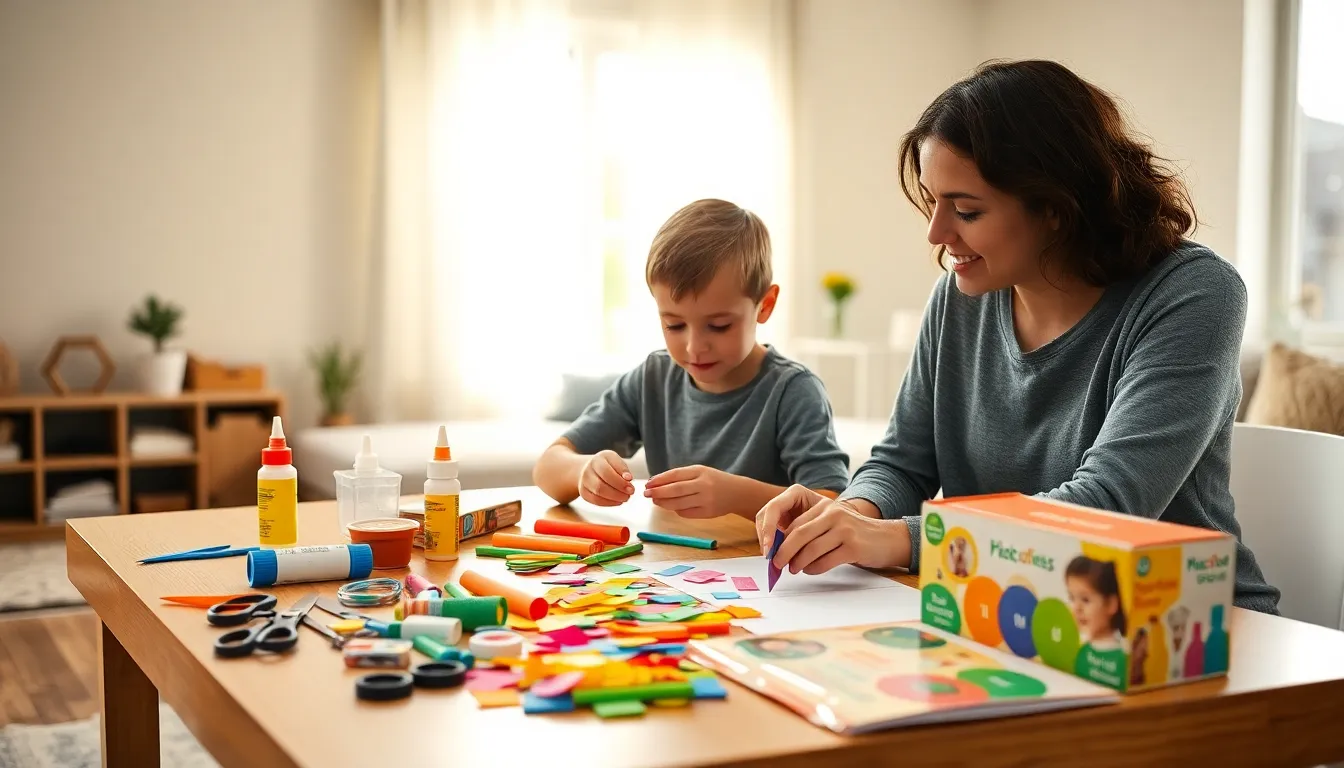
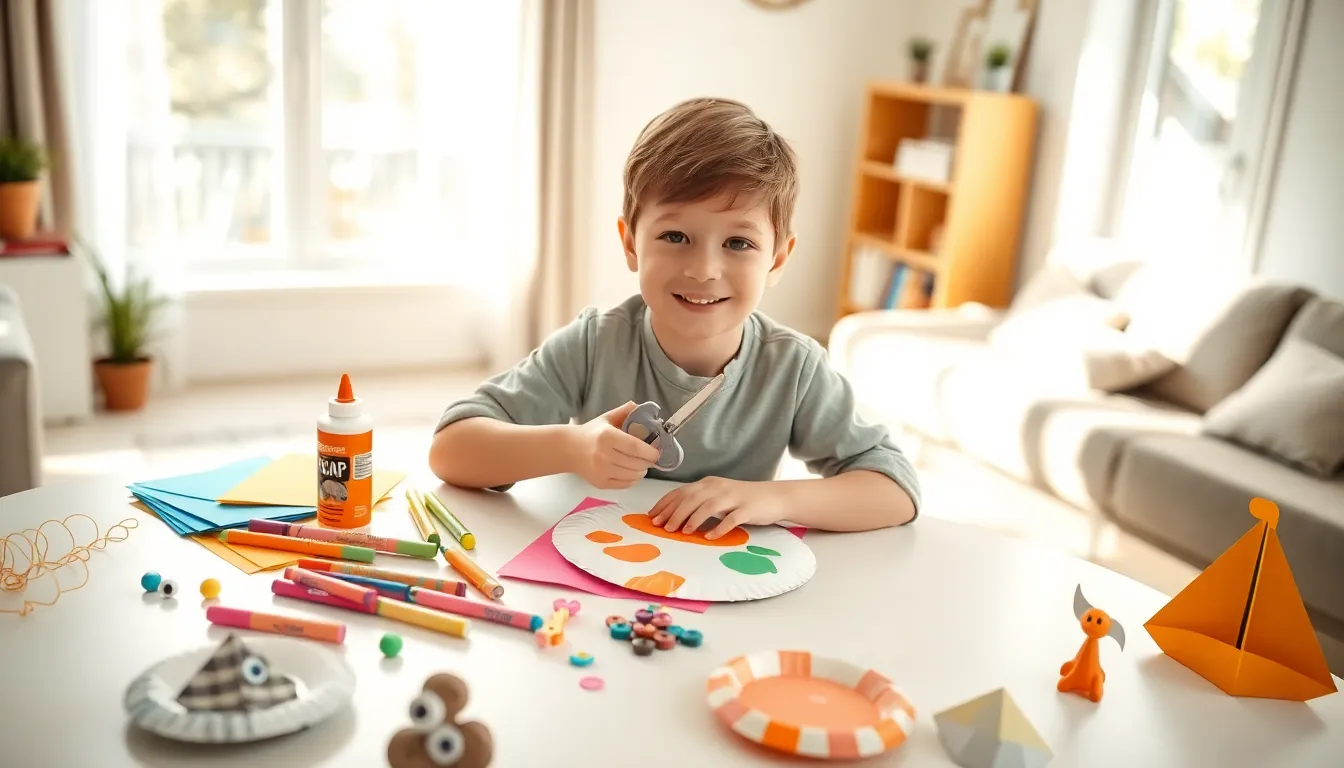
Crafts and DIY for kids examples offer endless opportunities for creative play and skill-building. Children learn best through hands-on activities, and simple craft projects deliver exactly that experience. These activities help kids develop fine motor skills, practice following instructions, and express their imagination freely.
Parents and educators often search for craft ideas that work well with common household supplies. The good news? Many excellent DIY projects require nothing more than paper, glue, scissors, and items you’d otherwise toss in the recycling bin. This guide covers practical, tested crafts and DIY for kids examples across several categories, from paper crafts to nature projects to holiday-themed creations.
Table of Contents
ToggleKey Takeaways
- Crafts and DIY for kids examples build fine motor skills, patience, and creativity through hands-on learning experiences.
- Most kid-friendly craft projects require only basic supplies like paper, glue, scissors, and recycled household items.
- Nature-inspired crafts—like painted rocks and pinecone bird feeders—connect children to outdoor environments while sparking creativity.
- Recycled material crafts teach environmental awareness and show kids that everyday items hold creative potential.
- Seasonal and holiday projects give children tangible ways to participate in celebrations throughout the year.
- Successful crafting requires age-appropriate projects, prepared materials, and embracing imperfection over perfection.
Simple Paper Crafts for Young Children
Paper crafts serve as an ideal starting point for young children. They require minimal supplies and offer immediate visual results that keep kids engaged.
Paper Chain Links
Cut colorful construction paper into strips about 1 inch wide and 6 inches long. Children can loop and glue these strips together to form chains. These chains work great as room decorations or countdown calendars.
Handprint Animals
Trace a child’s hand onto colored paper, then cut out the shape. With simple additions, googly eyes, drawn beaks, or felt ears, handprints transform into turkeys, peacocks, or octopuses. Kids love seeing their own handprints become recognizable creatures.
Paper Plate Masks
Paper plates make sturdy mask bases. Cut eye holes, then let children decorate with paint, markers, feathers, or yarn. Lion masks, superhero faces, and butterfly designs all start from this simple foundation.
Origami for Beginners
Simple folds create boats, airplanes, and fortune tellers. These crafts and DIY for kids examples teach patience and precision. Start with easy designs, a basic paper boat needs just five folds and floats in the bathtub.
Paper crafts build confidence because mistakes are fixable. Tear something? Grab another sheet and try again.
Nature-Inspired DIY Projects
Nature provides free craft supplies in abundance. A walk through the backyard or local park yields leaves, sticks, pinecones, and flowers perfect for creative projects.
Leaf Rubbings and Prints
Place leaves under thin paper and rub crayons across the surface to reveal vein patterns. Alternatively, paint leaves and press them onto paper for print art. Both methods teach children about plant structures while creating beautiful artwork.
Painted Rock Creatures
Smooth river rocks become ladybugs, bumblebees, or pet rocks with acrylic paint. Seal finished rocks with clear nail polish or spray sealant. These crafts and DIY for kids examples make excellent garden decorations or paperweights.
Stick Frame Construction
Collect four sticks of similar length. Glue or tie them together at corners to form a square frame. Wrap yarn or string across the frame in patterns. Hang finished frames as rustic wall art.
Pinecone Bird Feeders
Spread peanut butter (or sunflower seed butter for allergy-safe options) onto pinecones. Roll the sticky cones in birdseed. Attach string and hang from tree branches. Kids watch birds visit their handmade feeders for weeks afterward.
Nature crafts connect children to outdoor environments. They notice details, leaf shapes, rock textures, bark patterns, they might otherwise overlook.
Recycled Material Crafts
Recycled crafts teach environmental awareness alongside creativity. Items destined for the trash gain new purpose through imagination.
Cardboard Box Creations
Large boxes become playhouses, race cars, or rocket ships. Smaller boxes transform into dollhouses, garages, or treasure chests. Cut windows, add paint, and attach paper accessories. These crafts and DIY for kids examples cost nothing but deliver hours of play.
Toilet Paper Roll Animals
Empty toilet paper rolls form the bodies of owls, butterflies, cats, and dozens of other creatures. Add construction paper wings, googly eyes, and pipe cleaner antennae. A single roll becomes whatever a child imagines.
Plastic Bottle Planters
Cut plastic bottles in half. Decorate the bottom portion with paint or permanent markers. Add drainage holes, fill with soil, and plant seeds. Kids watch their craft grow into something alive.
Egg Carton Caterpillars
Cut egg carton sections into strips of connected cups. Paint each cup a different color. Add pipe cleaner antennae and drawn faces. The bumpy texture perfectly mimics caterpillar segments.
Recycled material crafts spark conversations about waste reduction. Children see firsthand that “trash” holds creative potential.
Seasonal and Holiday Craft Ideas
Holiday crafts give children tangible ways to participate in celebrations. Seasonal projects also mark the passage of time in memorable, hands-on ways.
Fall: Tissue Paper Leaves
Cut leaf shapes from wax paper. Glue small squares of red, orange, and yellow tissue paper onto the surface. Hang finished leaves in windows where light shines through the colors.
Winter: Snowflake Cutting
Fold white paper into triangles multiple times. Cut small shapes along the folded edges. Unfold to reveal unique snowflake patterns. No two look alike, just like real snow. These crafts and DIY for kids examples decorate windows beautifully.
Spring: Coffee Filter Butterflies
Color coffee filters with washable markers. Spray lightly with water to blend colors. Let dry, then pinch the center and secure with a pipe cleaner for the body and antennae.
Summer: Sand Art Jars
Layer colored sand (or dyed salt) in clear jars or bottles. Create stripes, waves, or abstract patterns. Seal the top with glue or a tight lid.
Holiday-Specific Projects
Valentine’s Day hearts, Easter eggs, Halloween pumpkins, and Christmas ornaments all follow similar crafting principles. Start with a base shape, then decorate with available supplies. The theme changes: the creative process stays consistent.
Tips for Successful Crafting With Kids
Good preparation turns potential chaos into productive fun. These practical tips help crafts and DIY for kids examples succeed every time.
Set Up a Dedicated Craft Space
Cover work surfaces with newspaper or plastic tablecloths. Keep wet wipes nearby for quick cleanup. Smocks or old t-shirts protect clothing from paint and glue.
Match Projects to Age and Skill Level
Toddlers need simple activities with large pieces. Elementary-age children handle scissors and detailed work. Teens appreciate more complex construction projects. Choose crafts that challenge without frustrating.
Prepare Materials in Advance
Pre-cut shapes for younger children. Organize supplies in separate containers. Have everything ready before kids sit down. Waiting kills enthusiasm.
Embrace Imperfection
A child’s crooked glue line or mismatched colors represent their personal expression. Resist the urge to correct or redo their work. The process matters more than the product.
Keep a Supply Stash
Stock basics: construction paper, glue sticks, scissors, markers, pipe cleaners, googly eyes, and tape. When inspiration strikes, supplies should be ready.
Let Children Lead
Suggest projects, but follow a child’s creative direction. Their butterfly might have eight wings. Their house might be purple. Their vision counts.