Crafts and DIY for kids offer more than just entertainment, they build fine motor skills, spark imagination, and create lasting memories. Whether parents want a rainy-day activity or teachers need classroom inspiration, creative projects keep children engaged for hours. The best part? Kids don’t need expensive supplies or professional guidance to make something they’re proud of.
This guide covers practical tips for setting up a craft-friendly space, choosing the right materials, and managing the inevitable mess. Parents and caregivers will find easy project ideas that work for different age groups. With a little preparation, crafts and DIY for kids become stress-free activities that everyone enjoys.
Table of Contents
ToggleKey Takeaways
- Crafts and DIY for kids build fine motor skills, spark imagination, and create lasting memories without expensive supplies.
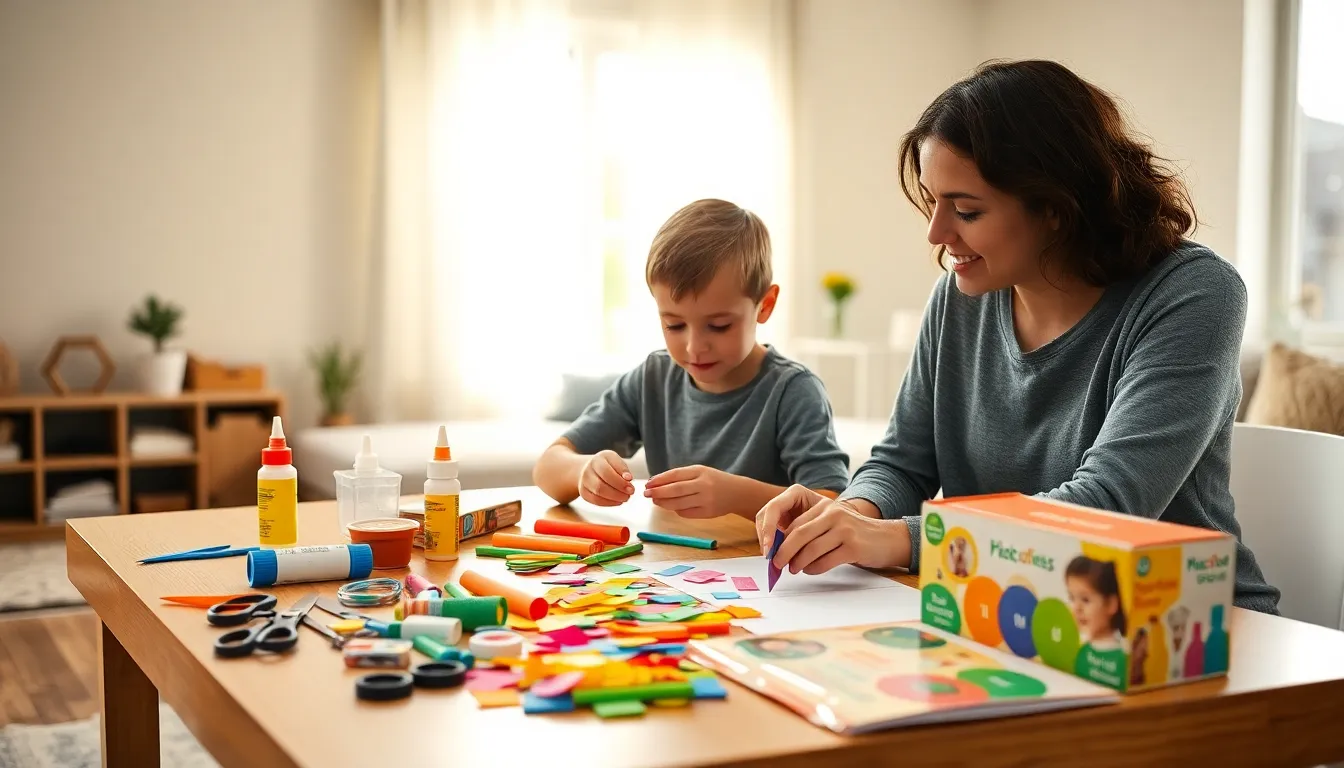
- Set up a dedicated craft space with washable surfaces, organized supplies, good lighting, and a drying station for stress-free projects.
- Choose age-appropriate materials—non-toxic items for toddlers, safety scissors for preschoolers, and more advanced tools like glue guns for older children.
- Start with simple projects like paper plate animals, painted rocks, or cardboard box creations using common household items.
- Manage mess effectively by setting clear boundaries, using craft clothes, and making cleanup part of the activity.
- Embrace imperfection and limit material choices to encourage creativity while keeping crafts and DIY for kids enjoyable for everyone.
Setting Up a Kid-Friendly Craft Space
A dedicated craft space makes DIY projects easier for kids and adults alike. The setup doesn’t require a spare room, a corner of the kitchen or a portable caddy works just fine.
Choose a Washable Surface
Kids will spill paint, drip glue, and scatter glitter everywhere. A table with a wipeable surface saves cleanup time. Plastic tablecloths or old shower curtains protect wooden furniture and cost almost nothing.
Organize Supplies Within Reach
Kids lose interest fast when they can’t find what they need. Clear bins or labeled containers help children grab crayons, scissors, and paper without adult assistance. A rolling cart with multiple drawers keeps supplies mobile and tidy.
Ensure Good Lighting
Natural light works best for crafts and DIY for kids. Position the workspace near a window when possible. If that’s not an option, a bright desk lamp prevents eye strain during detailed work.
Add a Drying Station
Wet paintings and glue projects need somewhere to dry. A simple drying rack, or even a length of string with clothespins, gives finished projects space to set without getting smudged.
Choosing Age-Appropriate Materials and Tools
The right materials make crafts and DIY for kids safe and enjoyable. Age matters when selecting supplies.
Toddlers (Ages 2-3)
Toddlers explore through touch, so non-toxic materials are essential. Large crayons, finger paints, and chunky brushes fit small hands well. Avoid anything with small parts that pose choking hazards. Playdough and stickers provide hours of sensory fun without sharp edges.
Preschoolers (Ages 4-5)
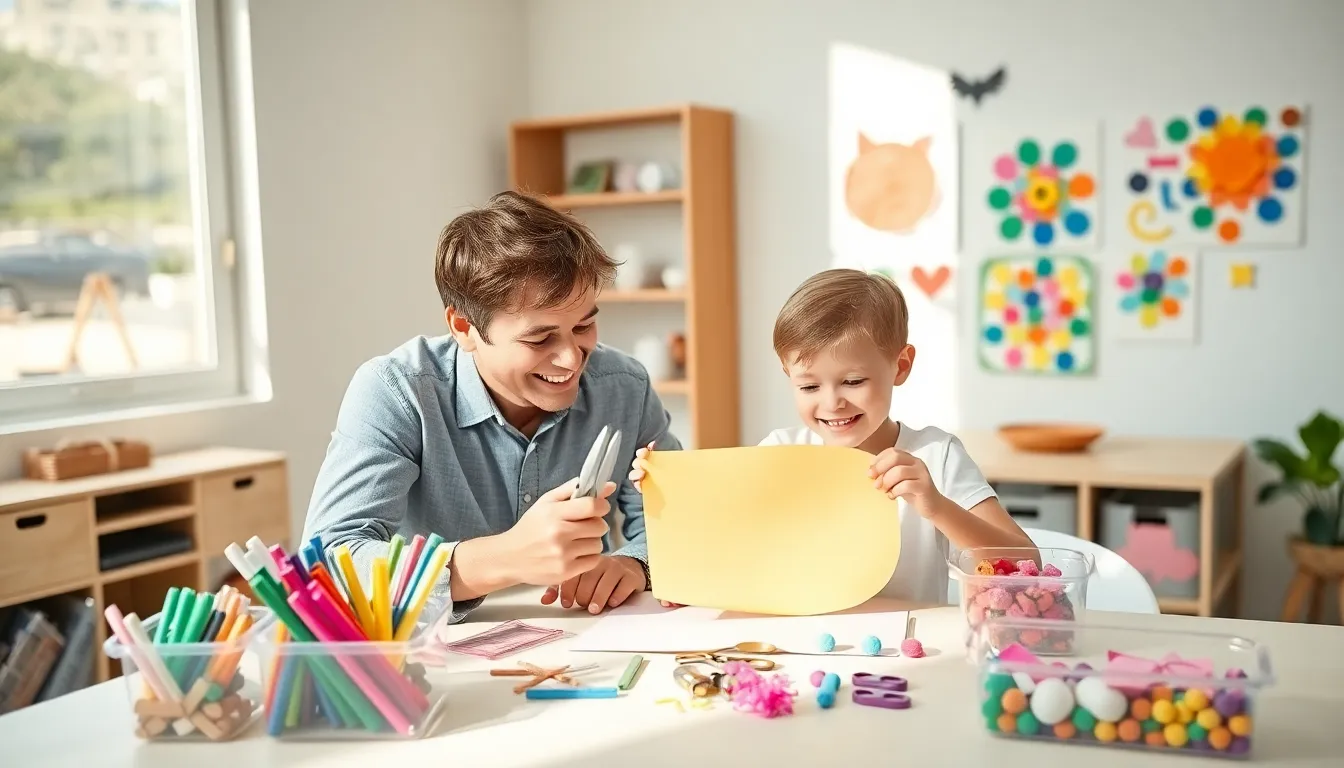
Preschoolers can handle safety scissors with rounded tips. They enjoy construction paper, washable markers, and simple stencils. Pipe cleaners and pom-poms add texture to projects. Adult supervision remains important, but these kids can complete more steps independently.
School-Age Children (Ages 6-10)
Older kids are ready for more advanced tools. They can use regular scissors, hole punches, and low-temperature glue guns with guidance. Beads, fabric scraps, and recyclable materials expand project possibilities. Crafts and DIY for kids in this age group can include functional items like bookmarks, jewelry, or simple sewing projects.
Tweens (Ages 11-12)
Tweens appreciate projects with real-world applications. Introduce them to basic woodworking, candle making, or screen printing. Quality tools and materials show respect for their growing skills and keep them engaged longer.
Easy DIY Project Ideas to Get Started
Starting with simple projects builds confidence. These ideas use common household items and require minimal prep.
Paper Plate Animals
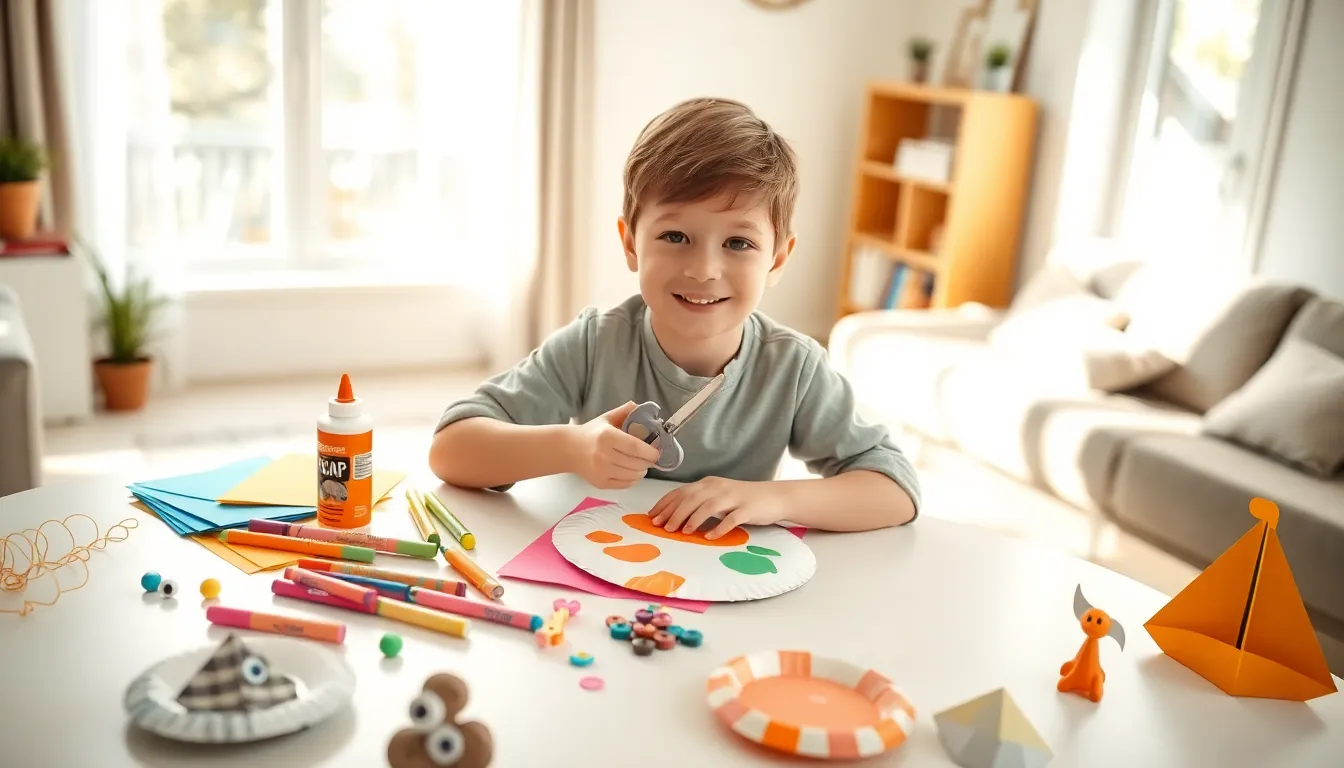
Paper plates transform into lions, fish, or owls with paint and construction paper. Kids practice cutting, gluing, and color mixing. The flat surface makes painting easy for beginners.
Painted Rock Creatures
Smooth rocks become ladybugs, monsters, or pet rocks with acrylic paint. This project works outdoors and encourages kids to hunt for the perfect stone. Finished rocks make great gifts or garden decorations.
Cardboard Box Creations
Old boxes become castles, cars, or robot costumes. Kids plan, measure, and problem-solve as they build. Crafts and DIY for kids using recyclables also teach environmental awareness.
Nature Collages
Leaves, twigs, and flowers pressed onto cardstock create beautiful art. A nature walk before the project adds physical activity to the creative session. Kids learn about plants while making something unique.
Homemade Slime
Slime remains a favorite for good reason. Basic recipes use glue, contact lens solution, and baking soda. Kids practice measuring and following instructions. The result provides hours of sensory play.
Encouraging Creativity While Managing the Mess
Mess is part of the process. Smart strategies minimize cleanup without limiting fun.
Set Clear Boundaries
Establish craft zones and explain what stays on the table. A designated “messy area” gives kids freedom within limits. Rules like “paint stays on the paper” work better than constant corrections.
Dress for Success
Old t-shirts or aprons protect clothing. Some parents keep a set of “craft clothes” that can get stained. Kids worry less about spills when their favorite outfit isn’t at risk.
Embrace Imperfection
The goal of crafts and DIY for kids isn’t a Pinterest-perfect result. Let children lead their projects, even when colors clash or shapes look wobbly. Process matters more than product at young ages.
Make Cleanup Part of the Activity
Kids can wash brushes, throw away scraps, and wipe tables. A five-minute cleanup song or timer makes the task fun. Children who help clean up appreciate their supplies more.
Limit Choices
Too many options overwhelm kids. Offer three or four colors instead of the entire crayon box. Fewer materials encourage creativity and reduce the mess footprint.