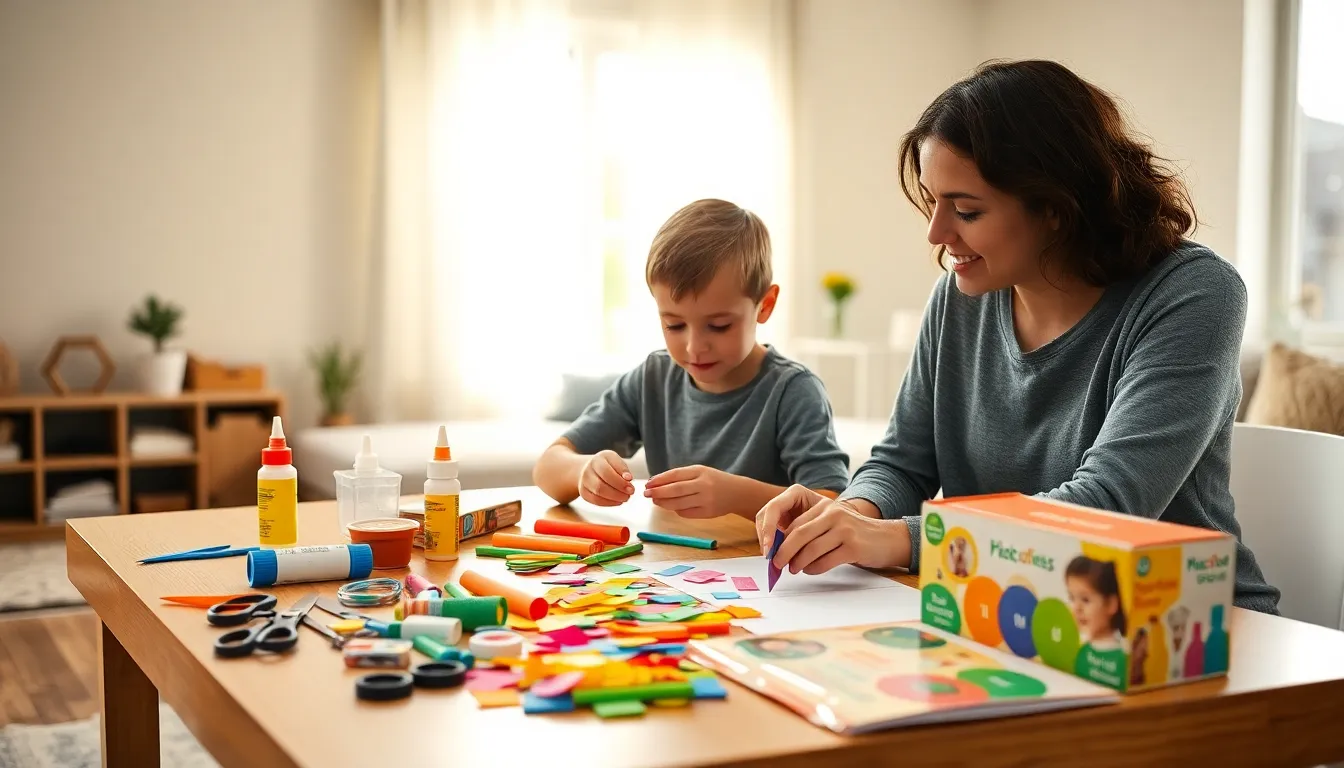
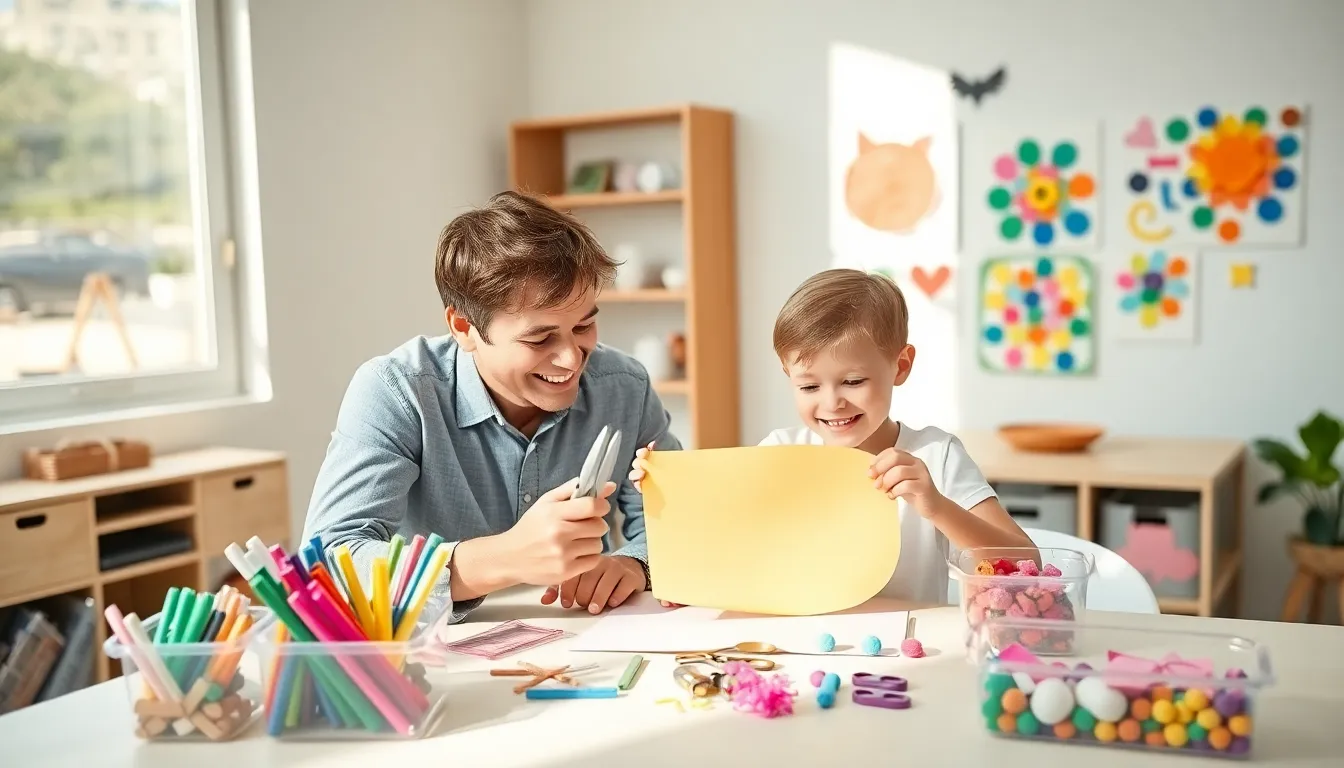
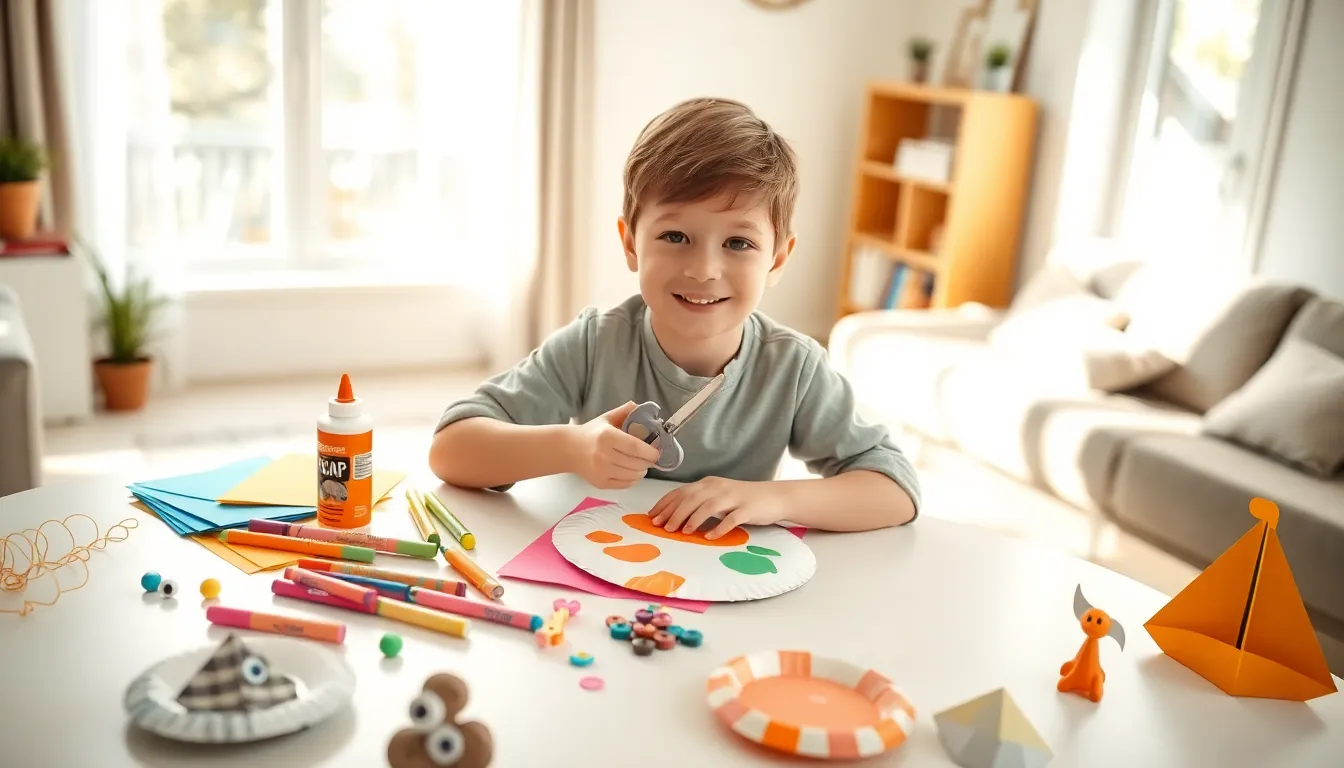
Crafts and DIY for kids offer more than just entertainment. They build problem-solving skills, boost confidence, and create lasting memories. Whether children are gluing popsicle sticks or painting rocks, hands-on projects give them a chance to express themselves and learn through play.
The best part? Getting started doesn’t require fancy materials or artistic talent. A few basic supplies, some free time, and a willingness to embrace mess are all it takes. This guide covers everything parents and caregivers need to know, from developmental benefits to age-appropriate project ideas that actually work.
Table of Contents
ToggleKey Takeaways
- Crafts and DIY for kids build fine motor skills, cognitive abilities, and emotional confidence while providing fun, hands-on learning experiences.
- Stock a simple craft box with basics like construction paper, scissors, washable glue, and recyclables—no expensive materials needed.
- Match projects to your child’s age: toddlers thrive with paper plate animals and collages, while school-age kids enjoy friendship bracelets and cardboard creations.
- Embrace the mess by covering surfaces and dressing kids in old clothes so they feel free to experiment without worry.
- Focus on the creative process rather than perfection—let children problem-solve and make their own choices.
- Make crafts and DIY for kids a regular family routine and display finished work to boost confidence and encourage ongoing creativity.
Benefits of Crafting for Child Development
Crafts and DIY for kids do far more than fill an afternoon. Research shows that hands-on creative activities support multiple areas of child development.
Fine Motor Skills
Cutting with scissors, threading beads, and squeezing glue bottles all strengthen the small muscles in children’s hands. These same muscles help kids learn to write, button shirts, and tie shoes. A 2019 study published in the Journal of Early Childhood Research found that preschoolers who engaged in regular craft activities showed improved pencil grip and hand control compared to peers who didn’t.
Cognitive Growth
Following instructions, measuring materials, and planning projects teach kids sequencing and logical thinking. When a child decides what color paper to use or how to arrange stickers, they’re practicing decision-making. Crafts and DIY for kids also introduce basic math concepts, counting beads, dividing supplies equally, or estimating how much paint they’ll need.
Emotional Development
Finishing a project gives children a sense of accomplishment. They made something with their own hands, and that feels good. Crafting also provides a healthy outlet for emotions. Kids can work through feelings by choosing colors, shapes, and themes that reflect their moods.
Social Skills
Group craft sessions teach sharing, taking turns, and collaboration. Siblings learn to negotiate over the last green crayon. Classmates discover they can combine ideas to make something better than what either imagined alone.
Essential Supplies to Keep on Hand
A well-stocked craft box makes spontaneous creativity possible. Parents don’t need to spend a fortune, many effective supplies cost very little.
The Basics
- Construction paper (multiple colors)
- Child-safe scissors
- Washable glue sticks and white glue
- Crayons, markers, and colored pencils
- Tape (masking and clear)
- Paintbrushes and washable paints
Recyclables Worth Saving
Empty toilet paper rolls, cardboard boxes, egg cartons, and plastic bottle caps make excellent craft materials. These items cost nothing and teach kids about reusing resources. Crafts and DIY for kids become even more meaningful when children transform trash into treasure.
Nice-to-Have Extras
- Googly eyes
- Pipe cleaners
- Pom poms
- Craft sticks (popsicle sticks)
- Stickers
- Yarn and ribbon
Storage Tips
Keep supplies organized in clear bins or labeled containers. When kids can see and reach materials independently, they’re more likely to start projects on their own. A dedicated craft space, even just a corner of a table, helps contain the mess and signals that creativity is welcome.
Easy DIY Projects for Different Age Groups
The right project matches a child’s abilities. Too easy and they’re bored. Too hard and they’re frustrated. Here are crafts and DIY for kids sorted by age.
Toddlers and Preschoolers
Children ages 2-5 need simple projects with few steps and big results.
Paper Plate Animals
Paper plates become lions, fish, or ladybugs with just paint and construction paper additions. Toddlers can paint the plate while adults help cut and glue features. The process matters more than perfection at this age.
Collage Art
Give young children a pile of torn paper, fabric scraps, and stickers. Let them glue pieces onto cardstock but they choose. There’s no wrong way to make a collage, which removes pressure and encourages experimentation.
Handprint Crafts
Paint a child’s hand and press it onto paper to create butterflies, flowers, or trees. These projects double as keepsakes that parents treasure for years.
School-Age Children
Kids ages 6-12 can handle more complex crafts and DIY for kids with multiple steps and greater independence.
Friendship Bracelets
Braiding or knotting embroidery thread teaches patience and pattern recognition. Children can make gifts for friends, adding a social element to the craft.
Bird Feeders
Coat a pinecone with peanut butter and roll it in birdseed. Hang it outside with string. This project combines crafting with nature observation, kids love watching birds discover their creation.
Cardboard Box Creations
Large boxes become castles, rockets, or cars. School-age children can plan their design, cut windows, and decorate with paint. These projects might span several days, teaching persistence and project management.
DIY Slime
Mixing glue, contact lens solution, and food coloring creates stretchy slime that kids adore. Adult supervision is recommended, but older children can follow the recipe largely on their own.
Tips for Successful Crafting Sessions
Even the best project ideas can fall flat without proper setup. These strategies help crafts and DIY for kids go smoothly.
Embrace the Mess
Crafting gets messy. That’s part of the fun. Cover work surfaces with newspaper or a plastic tablecloth. Dress kids in old clothes or smocks. When adults worry less about spills, children feel freer to create.
Set Realistic Expectations
A five-year-old’s butterfly won’t look like the Pinterest photo, and that’s okay. Focus on the process rather than the product. Ask children about their choices instead of offering corrections.
Prep Materials in Advance
Cut shapes, pour paint into small containers, and gather all supplies before starting. Young children lose interest quickly. Having everything ready keeps momentum going.
Know When to Step Back
It’s tempting to take over when kids struggle. Resist that urge. Offer guidance, but let children problem-solve. The learning happens in the struggle.
Make It Routine
Scheduling regular craft time, say, Sunday afternoons, gives kids something to anticipate. Consistency helps crafts and DIY for kids become a family tradition rather than a one-time activity.
Display Finished Work
Hanging artwork on the fridge or creating a gallery wall shows children that their efforts matter. This simple act builds confidence and encourages future creativity.