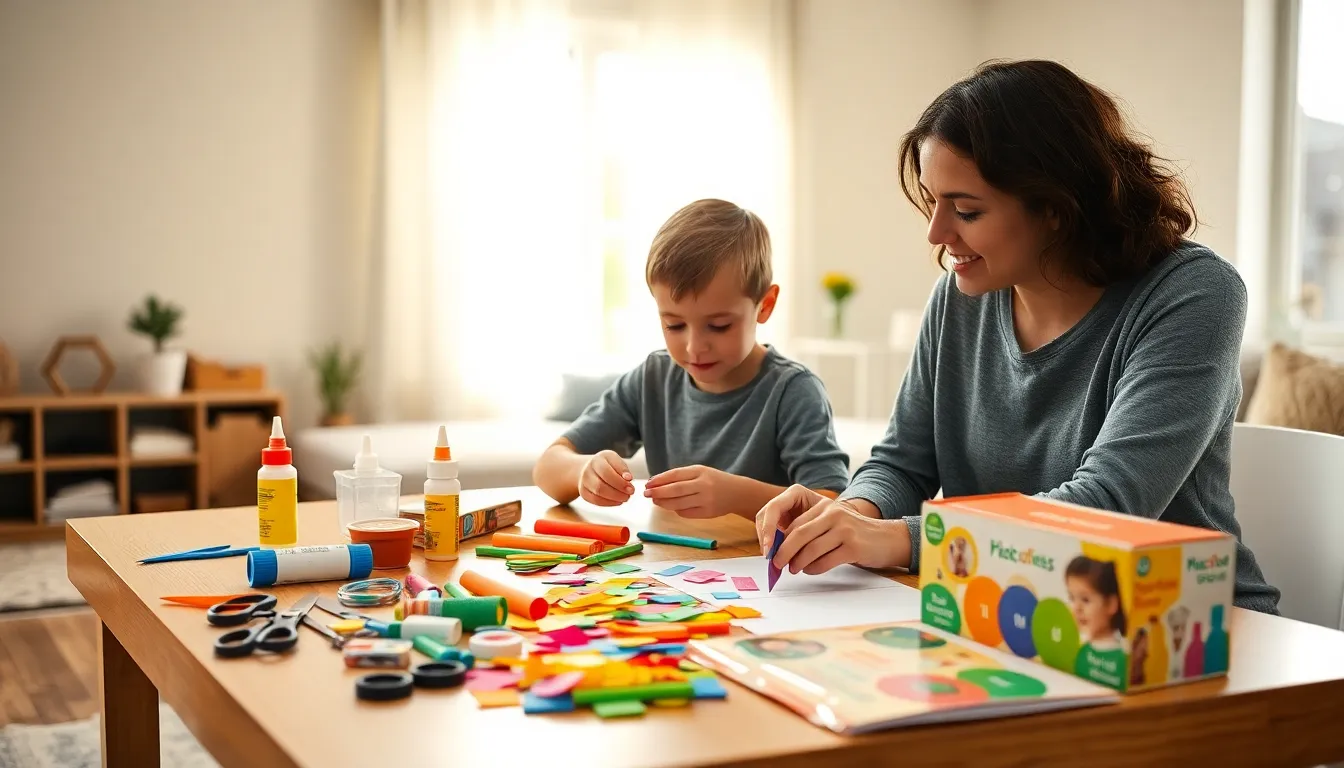
Family routines tips can transform chaotic mornings and stressful evenings into smoother, more predictable experiences. Most families struggle with the daily juggle, getting everyone fed, dressed, and out the door while maintaining some semblance of peace. The good news? Establishing consistent family routines doesn’t require military-level precision or a complete lifestyle overhaul. It simply takes intention, a bit of planning, and the willingness to adjust as life happens. This guide breaks down practical strategies for building family routines that actually stick, reduce stress, and create a calmer home environment for everyone.
Table of Contents
ToggleKey Takeaways
- Consistent family routines reduce stress, improve emotional regulation in children, and decrease daily decision fatigue for parents.
- Start small by focusing on one problem area—like mornings or bedtimes—before building additional routines.
- Prepare the night before by laying out clothes, packing lunches, and loading backpacks to eliminate morning chaos.
- Involve the whole family in creating routines so everyone feels ownership and follows through more consistently.
- Build buffer time into every routine to absorb unexpected delays without derailing your schedule.
- Expect disruptions and adjust family routines as children grow—flexibility is key to long-term success.
Why Family Routines Matter
Family routines matter because they provide structure and predictability for both children and adults. Research from the American Academy of Pediatrics shows that children with consistent daily routines demonstrate better emotional regulation and fewer behavioral problems. They know what to expect, which reduces anxiety and power struggles.
But routines benefit parents too. When daily tasks follow a predictable pattern, decision fatigue drops significantly. Parents spend less mental energy figuring out what comes next and more time actually connecting with their kids.
Here’s what solid family routines deliver:
- Reduced stress levels for everyone in the household
- Better sleep patterns for children and adults alike
- Improved time management and fewer rushed mornings
- Stronger family bonds through shared rituals and expectations
- Increased independence as kids learn to handle tasks themselves
Family routines also create opportunities for connection. A nightly dinner together or a weekend pancake tradition becomes more than just a task, it becomes a touchstone that family members look forward to and remember.
The psychological benefits extend beyond childhood. Studies indicate that adults who grew up with consistent family routines report higher levels of life satisfaction and better stress management skills. Those early patterns shape how people approach structure throughout their lives.
How to Create Effective Family Routines
Creating effective family routines starts with honest assessment. What’s currently working? What falls apart daily? Most families already have some informal routines, they just haven’t recognized or optimized them.
Start Small and Build Gradually
The biggest mistake families make is trying to overhaul everything at once. Pick one trouble spot, maybe it’s the morning rush or bedtime battles, and focus there first. Once that routine feels natural, add another.
Involve Everyone in the Process
Family routines work best when everyone has input. Hold a family meeting and ask what would make mornings easier or evenings calmer. Kids who help create the routine feel ownership and follow through more consistently.
Be Specific About Timing and Tasks
Vague routines fail. “Get ready for school” is too broad. Instead, break it down: wake up at 7:00, get dressed by 7:15, eat breakfast by 7:35, brush teeth and grab backpack by 7:50. Specific family routines eliminate confusion and arguments about what “ready” actually means.
Use Visual Aids for Younger Children
Picture charts showing the routine sequence help kids ages 3-8 follow along independently. They can check off each step themselves, building confidence and reducing the need for constant parental reminders.
Build in Buffer Time
Every routine needs breathing room. If getting out the door requires 45 minutes, schedule 55. That extra ten minutes absorbs the inevitable shoe-can’t-be-found or last-minute bathroom trip without derailing everything.
Morning and Evening Routines That Work
Morning and evening routines form the backbone of family life. Get these right, and everything else flows more smoothly.
Morning Family Routines Tips
Successful mornings actually start the night before. Lay out clothes, pack lunches, and load backpacks in the evening. This single habit eliminates most morning chaos.
A sample morning routine might look like this:
- Wake up at a consistent time (even on weekends, if possible)
- Use the bathroom and wash face
- Get dressed in pre-selected clothes
- Eat breakfast together at the table
- Brush teeth and hair
- Grab pre-packed bags and head out
Keep screens off during morning routines. Television and tablets slow everything down and create battles when it’s time to leave.
Evening Family Routines Tips
Evening routines should wind the family down, not ramp them up. Start the transition to bedtime at least an hour before lights out.
Effective evening routines often include:
- A set dinner time with family conversation
- Assignments or reading time in a quiet space
- Bath or shower (can alternate nights for multiple kids)
- Pajamas and teeth brushing
- A calming activity like reading together or gentle music
- Consistent bedtime with a brief goodnight ritual
The key to evening family routines is consistency. Children’s bodies learn to expect sleep when the same sequence happens nightly. Within a few weeks, bedtime battles typically decrease as the routine signals to their brain that sleep is coming.
Keeping Routines Flexible and Sustainable
Here’s the truth about family routines: they will break. Holidays happen. Kids get sick. Work schedules shift. The goal isn’t perfection, it’s having a baseline to return to.
Expect and Plan for Disruptions
Vacations, holidays, and special events will interrupt routines. That’s fine. Let kids know in advance that the routine is pausing temporarily. Then return to it as soon as normal life resumes.
Adjust as Children Grow
Family routines that work for a toddler won’t work for a teenager. Review and update routines every few months. As kids develop new skills, give them more independence within the structure.
Don’t Aim for Perfection
Some days will still be messy. A missed bedtime or skipped chore chart doesn’t mean the routine failed. It means life happened. The power of family routines lies in their consistency over time, not their flawless daily execution.
Keep What Works, Drop What Doesn’t
If a routine element creates more stress than it solves, cut it. Maybe the elaborate breakfast plan isn’t realistic, switch to grab-and-go options on busy days. Family routines should serve the family, not the other way around.
Celebrate Routine Wins
When the routine clicks and everyone gets out the door calmly, acknowledge it. Positive reinforcement helps family members see the benefit of sticking with the structure.