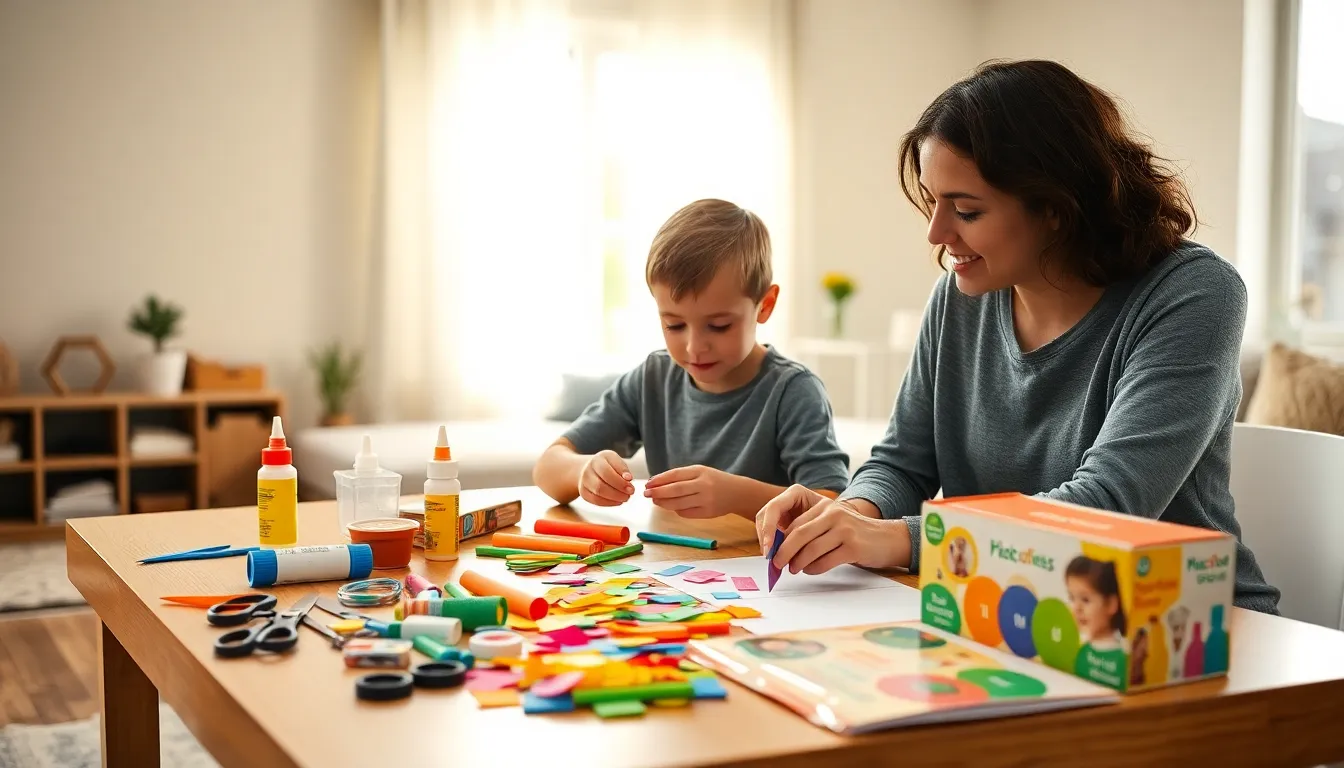
Single parenting tips can make the difference between surviving each day and actually thriving as a family. Raising children alone presents real challenges, tight schedules, financial pressures, and the emotional weight of being the sole decision-maker. But here’s the truth: single parents raise happy, successful kids every day. The key lies in practical strategies that work in real life, not idealized advice from people who’ve never juggled a sick kid and a work deadline simultaneously. This guide covers proven approaches to building support, managing time, communicating with your children, handling money, and maintaining consistency. These aren’t abstract theories. They’re actionable single parenting tips drawn from what actually helps families succeed.
Table of Contents
ToggleKey Takeaways
- Build a reliable support network of family, friends, and professionals to share practical responsibilities and provide emotional backup.
- Prioritize self-care and time management to prevent burnout—single parenting tips that protect your energy ultimately benefit your children.
- Communicate openly with your children using age-appropriate honesty while listening more than you lecture.
- Create a realistic budget, build an emergency fund, and utilize available community resources without guilt.
- Establish simple, consistent rules and routines to provide children with the security and predictability they need.
- Pick your battles wisely and focus on calm, steady responses—consistency matters more than severity in discipline.
Building a Strong Support Network
No single parent should go it alone, and the good news is, they don’t have to. Building a support network ranks among the most valuable single parenting tips because it creates a safety net for both practical help and emotional resilience.
Start with identifying who’s already in your corner. Family members, friends, neighbors, and coworkers can all play roles. Maybe your sister picks up the kids on Thursdays, or a trusted neighbor serves as emergency backup. These aren’t favors to feel guilty about. They’re part of how communities function.
Single parent groups offer another powerful resource. Local meetups, church groups, and online communities connect parents facing similar situations. They provide advice, shared experiences, and sometimes just someone who understands why you cried in the grocery store parking lot.
Professional support matters too. A good pediatrician, a responsive teacher, and even a therapist can form part of a single parent’s extended team. Don’t hesitate to ask schools about resources specifically for single-parent families, many have them.
One practical tip: create a contact list of five people who can help in different scenarios. One for medical emergencies. One for last-minute childcare. One for emotional support. This turns vague “I should ask for help” into concrete action when stress hits.
Managing Time and Prioritizing Self-Care
Time management becomes essential when one parent handles everything. Effective single parenting tips always address this reality because burnout helps nobody, least of all the kids.
Start by auditing how time actually gets spent. Track a typical week. Many single parents discover hours disappearing into activities that don’t align with their priorities. Cutting low-value tasks creates breathing room.
Batching similar activities saves significant time. Meal prep on Sundays. Laundry on specific days. Assignments help during set evening hours. Routines reduce decision fatigue and help children know what to expect.
Self-care isn’t selfish, it’s maintenance. Single parents who neglect their own health eventually have less to give their children. This doesn’t require spa days or expensive hobbies. It means:
- Protecting sleep as much as possible
- Moving your body, even briefly
- Maintaining at least one adult friendship
- Taking 15 minutes daily for something enjoyable
When self-care feels impossible, that’s usually the signal it’s most needed. Even small investments in personal wellbeing pay dividends in patience and energy for parenting.
Communicating Openly With Your Children
Clear communication forms the backbone of healthy single-parent families. Children thrive when they understand what’s happening and feel heard in return.
Age-appropriate honesty matters. Kids don’t need every detail about why their parents separated or why money is tight. But they do need enough information to make sense of their world. Saying “We’re doing things differently now, and that’s okay” works better than pretending nothing changed.
Create regular opportunities for conversation. Family dinners, car rides, and bedtime routines offer natural openings. Some children talk more easily during activities, shooting hoops or doing dishes together, rather than face-to-face conversations.
Listen more than you lecture. Single parenting tips often focus on what parents should say, but hearing your children matters just as much. When kids feel genuinely listened to, they share more and trust more.
Address their concerns directly. Children of single parents often worry about money, about the absent parent, about whether they caused family problems. Reassure them honestly. “We have enough for what we need” beats fake cheerfulness about finances.
Avoid putting children in adult roles. They shouldn’t mediate between parents, hear complaints about the other parent, or bear responsibility for household decisions beyond their years. Kids need to remain kids.
Handling Finances as a Single Parent
Financial stability concerns most single parents, and practical single parenting tips must address money management directly. One income supporting a family requires careful planning.
Start with a realistic budget. Track actual spending for a month before creating a budget. Many single parents find small expenses add up quickly, subscription services, convenience purchases, and “just this once” spending.
Prioritize an emergency fund. Even a small cushion, $500 to $1,000, prevents minor setbacks from becoming crises. Automate small transfers to a savings account if possible.
Know available resources. Government programs, school lunch assistance, utility company hardship programs, and community food banks exist to help. Using them isn’t failure, it’s smart resource management during challenging seasons.
Child support and co-parenting finances require clear documentation. Keep records of all payments and agreements. When possible, use formal channels for transfers to avoid disputes later.
Teach children about money age-appropriately. They don’t need to worry about bills, but they can learn that families make choices about spending. Saying “that’s not in our budget right now” teaches valuable lessons without creating anxiety.
Staying Consistent With Discipline and Routines
Consistency provides security for children, and maintaining it solo presents real challenges. These single parenting tips focus on sustainable approaches that one parent can actually maintain.
Establish clear, simple rules. A short list of non-negotiable expectations works better than complex behavioral systems. Children can remember and follow “We speak respectfully” more easily than pages of household regulations.
Follow through matters more than severity. Mild consequences applied consistently teach more than harsh punishments applied randomly. When you say something will happen, make it happen.
Routines reduce daily battles. Morning routines, after-school routines, and bedtime routines create predictability. Children resist less when they know what comes next. Post visual schedules for younger kids.
Pick your battles wisely. Single parents have limited energy. Save firm stands for issues that truly matter, safety, respect, and responsibility. Let smaller things go when necessary.
Stay calm during conflicts. Easier said than done, obviously. But children take emotional cues from parents. A steady response to misbehavior teaches self-regulation better than matching their emotional intensity.
When discipline differs between households (with a co-parent), focus on your own consistency. You can only control what happens under your roof. Children adapt to different expectations in different settings more easily than adults often expect.