Finding top crafts and DIY projects for kids can transform a boring afternoon into hours of creative fun. Children learn best through hands-on activities, and crafting builds fine motor skills, encourages problem-solving, and sparks imagination. Whether parents need a rainy-day activity or teachers want classroom projects, this guide covers the best options. From paper crafts to nature-inspired creations, these ideas work for toddlers, school-age children, and even tweens. The materials are affordable, the instructions are simple, and the results bring genuine pride to young makers.
Table of Contents
ToggleKey Takeaways
- Top crafts and DIY for kids build fine motor skills, problem-solving abilities, and creative confidence through hands-on fun.
- Paper crafts like origami, masks, and handprint cards are budget-friendly projects that work for all ages.
- Nature-inspired DIY projects such as leaf rubbings and pinecone bird feeders combine creativity with outdoor exploration.
- Recycled materials like cardboard boxes, toilet paper rolls, and egg cartons teach kids environmental awareness while saving money.
- Successful crafting with kids requires age-appropriate projects, pre-prepared materials, and focusing on the creative process over perfection.
- Embrace the mess by covering surfaces and letting children experiment freely without pressure to create perfect results.
Easy Paper Crafts for All Ages
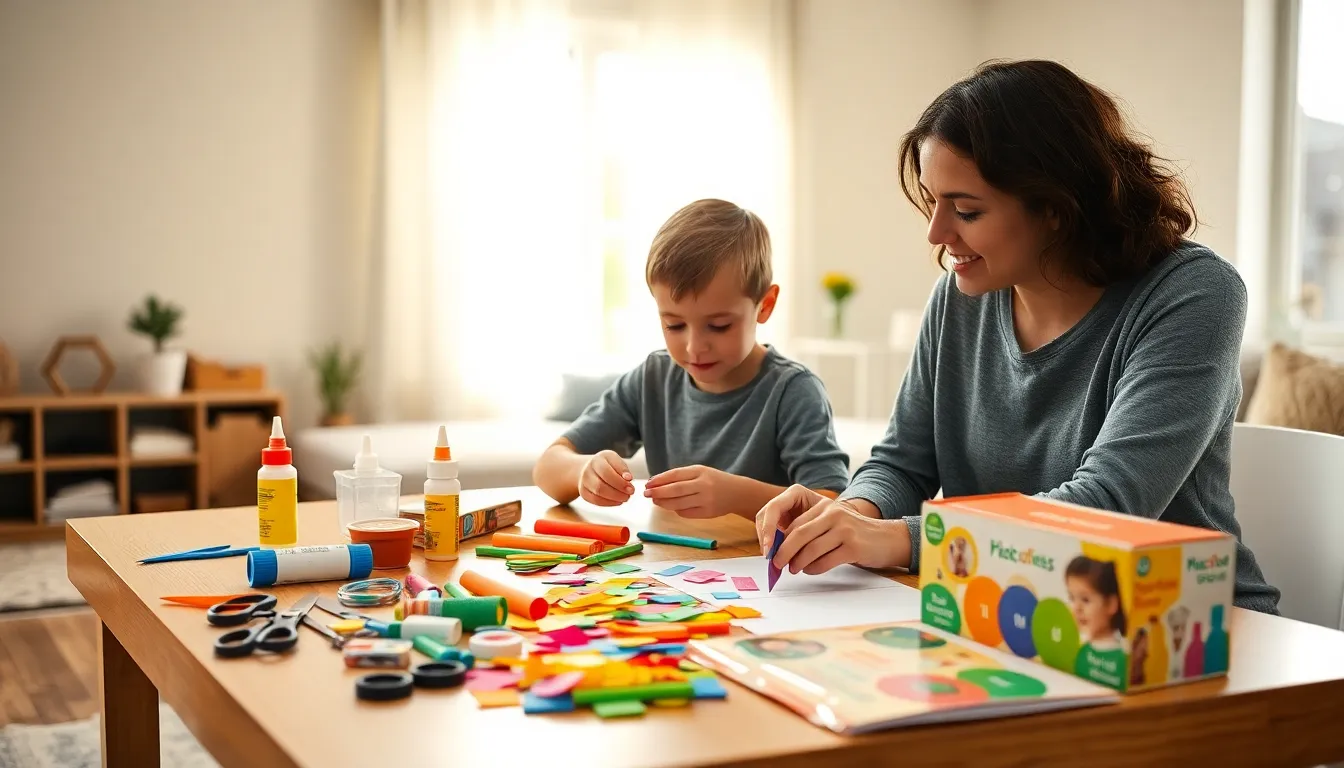
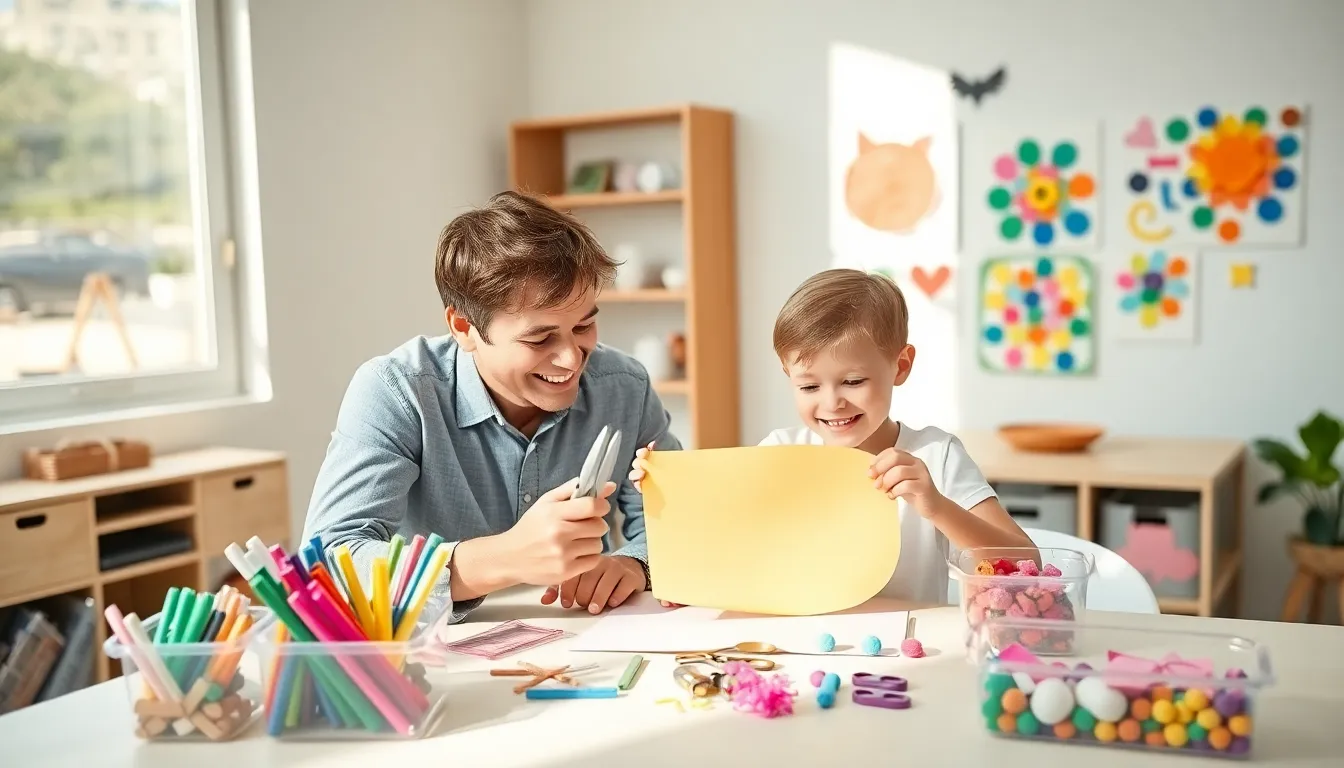
Paper crafts rank among the most accessible DIY projects for kids because most households already have the supplies. A stack of construction paper, scissors, and glue can keep children busy for hours.
Origami animals make a great starting point. Kids can fold simple designs like jumping frogs, paper boats, or fortune tellers. These projects teach patience and following instructions step by step. Younger children (ages 3-5) enjoy tearing paper into shapes and gluing them onto cardstock to create collages.
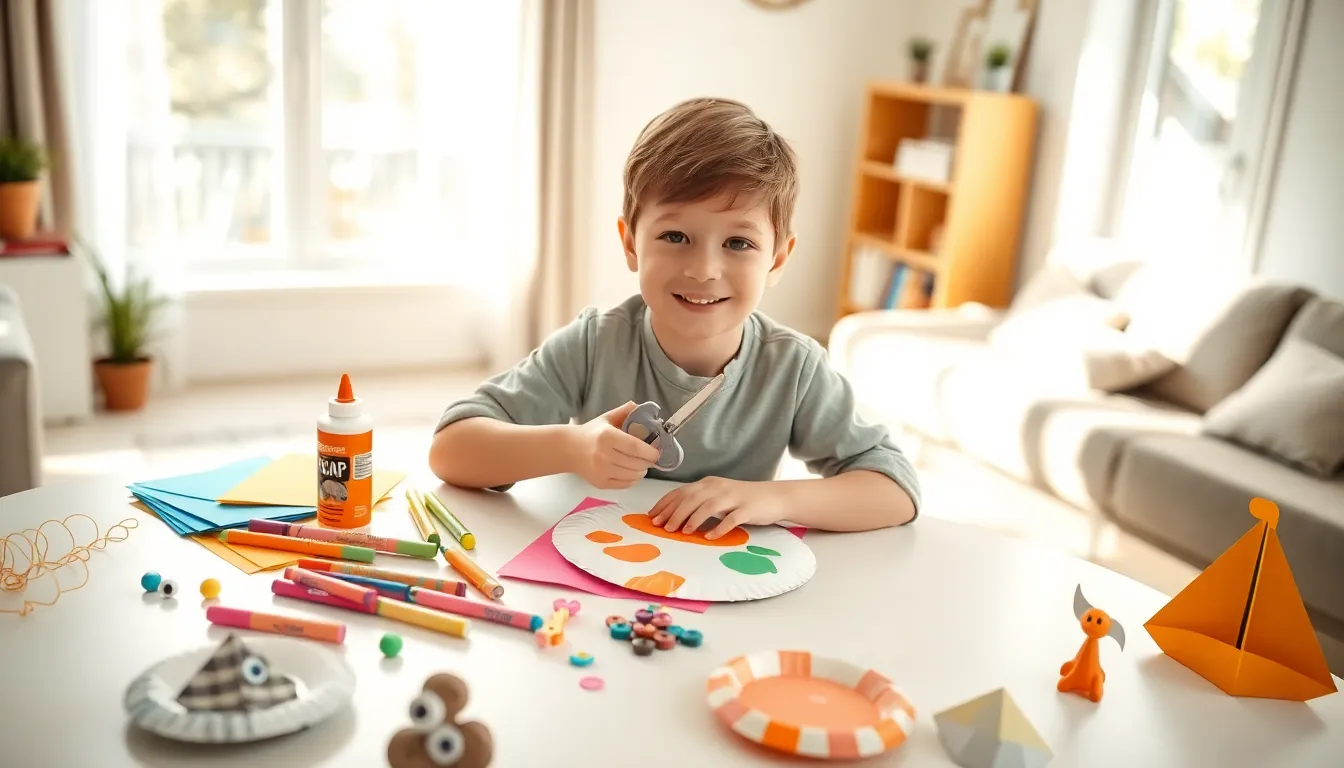
Paper plate masks are another crowd favorite. Children cut eye holes, paint designs, and add yarn for hair or feathers for decoration. This craft works well for birthday parties or holiday celebrations.
Here are more paper craft ideas worth trying:
- Paper chain garlands for room decoration
- Handprint cards for grandparents or teachers
- 3D pop-up cards for special occasions
- Paper bag puppets for storytelling activities
- Snowflake cutouts during winter months
Paper crafts cost almost nothing and clean up easily. They also allow kids to experiment freely without worrying about wasting expensive materials.
Creative Painting and Drawing Activities
Painting and drawing remain timeless crafts for kids that encourage self-expression. These activities help children develop color recognition, hand-eye coordination, and artistic confidence.
Finger painting works best for toddlers and preschoolers. The sensory experience of squishing paint between fingers delights young children. Parents can tape paper to a table or use a highchair tray for easy cleanup.
Watercolor resist art introduces older kids to a cool technique. Children draw with white crayons on white paper, then paint over the surface with watercolors. The crayon lines magically appear as the paint fills in around them.
Rock painting has gained popularity in recent years. Kids collect smooth stones, paint them with acrylic paints, and seal them with clear varnish. Some families hide painted rocks in parks for others to find, a practice called “kindness rocks.”
Other painting and drawing projects include:
- Bubble painting using dish soap and food coloring
- Sponge stamping with cut shapes
- Spin art using salad spinners
- Splatter painting outdoors on large canvases
These DIY crafts let children experiment without pressure. There’s no wrong way to create art, and that freedom builds creative confidence.
Nature-Inspired DIY Projects
Nature provides free craft supplies that spark curiosity about the outdoors. These top crafts for kids combine creativity with science exploration.
Leaf rubbings require only paper and crayons. Children place leaves under paper and rub crayons over the surface to reveal vein patterns. This activity teaches kids about plant biology while creating beautiful artwork.
Pressed flower bookmarks make lovely gifts. Kids collect flowers, press them between heavy books for a week, then laminate or cover them with clear contact paper. The finished bookmarks last for months.
Pinecone bird feeders teach children about wildlife. Kids spread peanut butter on pinecones, roll them in birdseed, and hang them from trees. Watching birds visit the feeders adds an ongoing educational element.
More nature-inspired project ideas:
- Twig picture frames held together with glue or twine
- Acorn people with painted faces and felt accessories
- Nature collages using leaves, bark, and dried flowers
- Seashell wind chimes strung on fishing line
Nature crafts encourage outdoor exploration. Kids must first hunt for materials, which gets them moving and observing their environment. The resulting DIY projects connect children to the natural world in meaningful ways.
Recycled Materials Crafts
Teaching kids to craft with recycled materials serves two purposes: it saves money and introduces environmental awareness. These crafts for kids transform trash into treasure.
Cardboard box creations offer endless possibilities. A large box becomes a spaceship, castle, or car. Smaller boxes turn into robots, dollhouses, or storage containers. Kids can paint them, cover them with paper, or leave them plain.
Toilet paper roll crafts remain a classic. These tubes become binoculars, animals, superheroes, or flower holders. A quick internet search reveals hundreds of toilet roll project ideas suitable for different ages.
Egg carton caterpillars and flowers teach younger children about counting and color. Kids cut apart carton sections, paint them bright colors, and connect them with pipe cleaners or googly eyes.
Additional recycled material projects:
- Plastic bottle planters for herbs or succulents
- Milk jug birdhouses with cut openings
- Magazine collages using colorful pages
- Jar lanterns decorated with tissue paper
- CD sun catchers covered in paint or markers
These DIY projects for kids demonstrate that creativity doesn’t require expensive supplies. Children learn to see potential in everyday items they might otherwise throw away.
Tips for Successful Crafting With Kids
Setting up for success makes crafts and DIY projects more enjoyable for everyone involved. A few simple strategies prevent frustration and maximize fun.
Choose age-appropriate projects. A three-year-old can’t handle intricate origami, and a ten-year-old will get bored with basic coloring. Match the difficulty level to the child’s abilities, leaning slightly challenging to keep them engaged.
Prepare materials in advance. Cut pieces, lay out supplies, and pre-measure ingredients before children sit down. This prevents kids from losing interest while adults scramble to find scissors.
Embrace the mess. Cover tables with newspapers or plastic tablecloths. Put smocks on children or let them wear old clothes. Accepting that messes happen reduces stress for everyone.
Focus on process over product. Young children care more about the experience than the final result. A lopsided paper airplane still flies. A lumpy clay bowl still holds things. Praise effort and creativity rather than perfection.
More practical tips:
- Keep a dedicated craft supply box stocked with basics
- Set time limits for younger children with short attention spans
- Display finished projects to build pride and confidence
- Let kids lead when possible, they often have better ideas
Successful crafts for kids happen when adults relax expectations and join in the creative process.