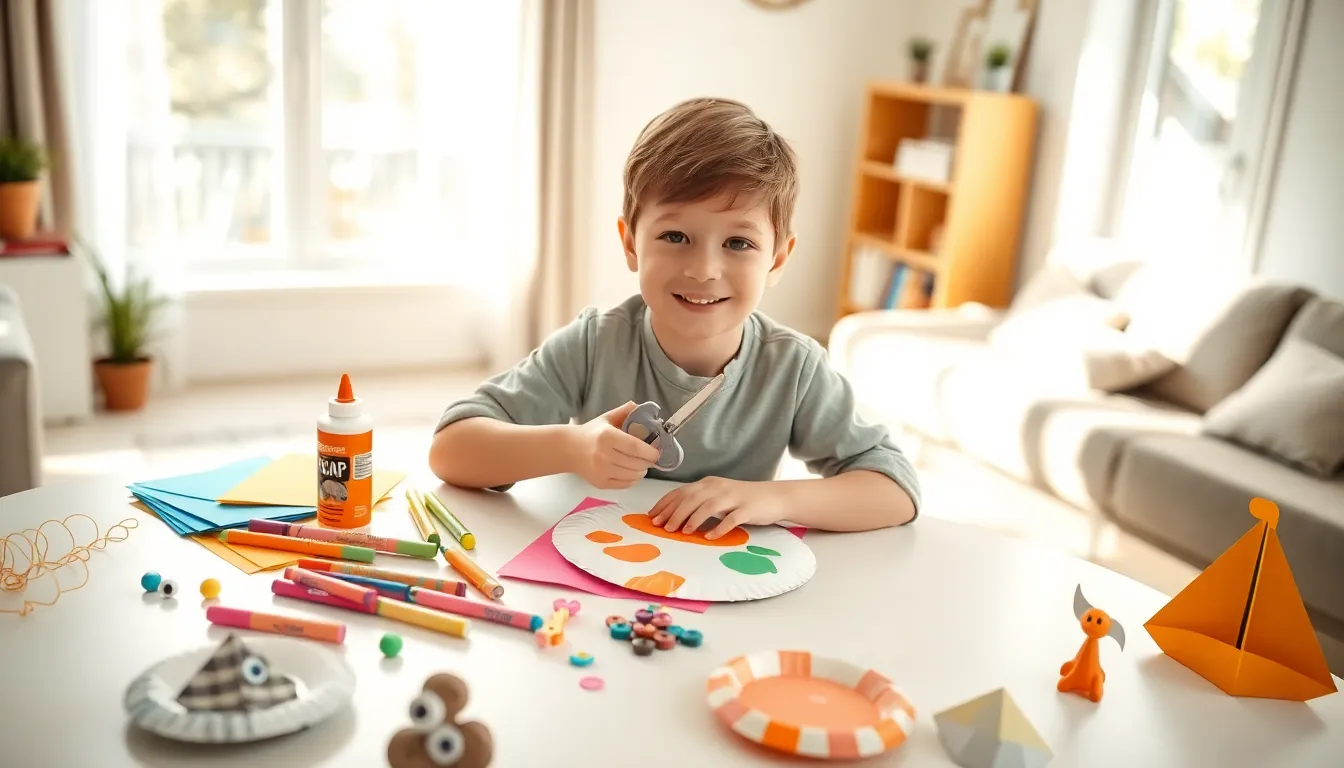
Top family routines transform chaotic households into calmer, more connected homes. They give children a sense of security, reduce daily stress for parents, and create space for meaningful moments together. Whether a family struggles with hectic mornings or disconnected evenings, the right routines can make a real difference.
Strong family routines don’t require perfection. They require consistency. Research from the American Academy of Pediatrics shows that children who follow regular routines experience better emotional health and improved academic performance. Parents benefit too, predictable schedules free up mental energy and reduce decision fatigue.
This guide covers practical family routines for every part of the day. From morning wake-ups to weekend traditions, these strategies help families build habits that stick.
Table of Contents
ToggleKey Takeaways
- Top family routines provide children with security and improved emotional health while reducing daily stress and decision fatigue for parents.
- Morning routines work best when you prepare the night before, wake at consistent times, and build in 10-15 minutes of buffer time.
- After-school routines should include a snack first, a designated homework zone, and built-in downtime for unstructured play.
- Regular family dinners are linked to better grades and stronger emotional health—aim for consistency over perfection, and put devices away.
- Weekend traditions like Saturday morning rituals, game nights, and one-on-one time create lasting memories and strengthen family bonds.
- Start small when building family routines, involve kids in creating them, and allow flexibility as your family’s needs evolve.
Morning Routines to Start the Day Right
Morning routines set the tone for everything that follows. A rushed, stressful start often leads to a frustrating day. But a calm, organized morning gives everyone, kids and adults, a better chance at success.
Effective family routines in the morning focus on preparation and predictability. Here’s what works:
Prepare the night before. Lay out clothes, pack lunches, and load backpacks before bed. This simple habit eliminates morning scrambles and reduces stress for the whole family.
Wake up at the same time daily. Consistent wake times regulate sleep cycles and make mornings easier. Children especially thrive when their bodies know what to expect.
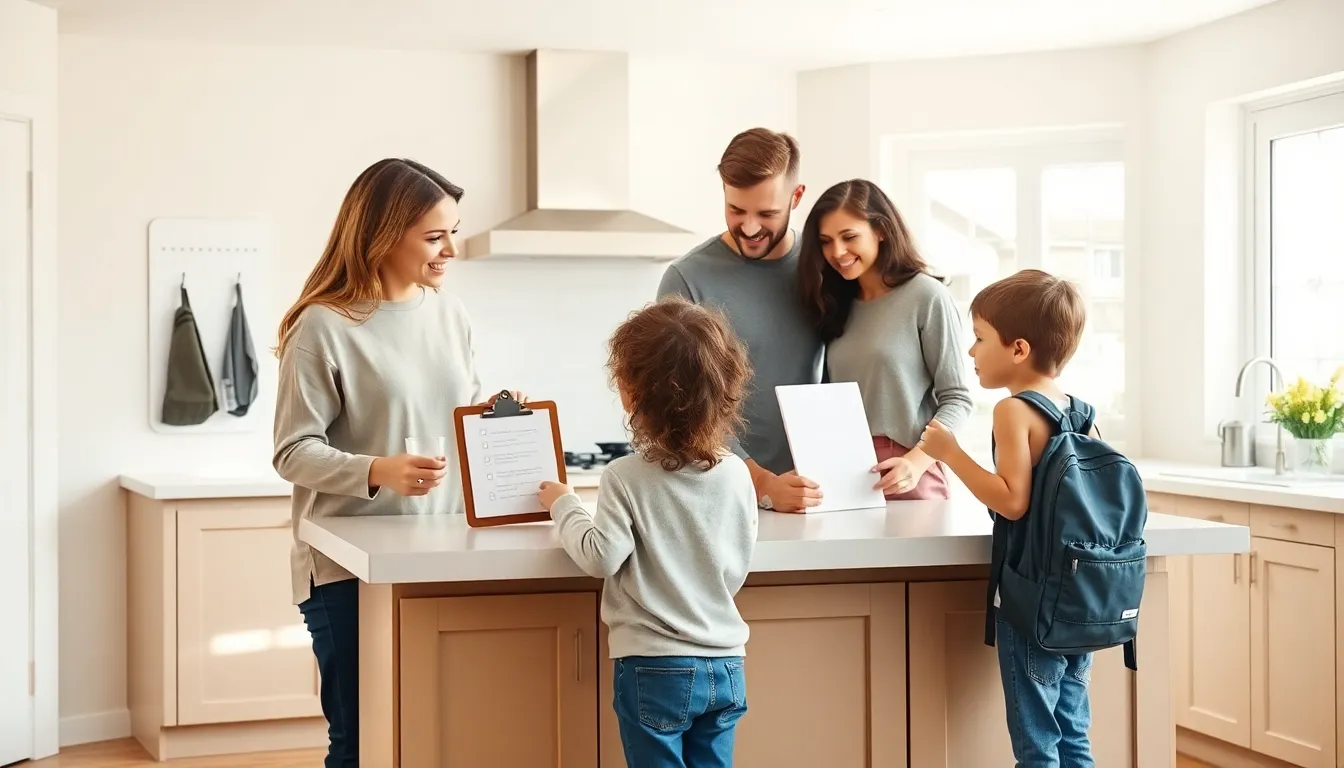
Follow a visual schedule. For younger kids, a picture-based checklist helps them remember each step: get dressed, brush teeth, eat breakfast, grab backpack. This builds independence and reduces nagging.
Build in buffer time. Things go wrong. Shoes disappear. Cereal spills. Adding 10-15 extra minutes prevents minor hiccups from derailing the entire routine.
Connect before you scatter. Even two minutes of eye contact, a hug, or a quick conversation creates emotional connection. Some families share one thing they’re looking forward to that day.
Top family routines don’t demand military precision. They create a rhythm everyone can follow. Over time, morning tasks become automatic, freeing parents from constant reminders.
After-School and Homework Habits
The after-school transition can feel chaotic. Kids arrive home tired, hungry, and wound up. Without structure, afternoons dissolve into battles over assignments and screens.
Smart family routines address this transition head-on:
Snack first, then work. Hungry kids can’t focus. A quick, healthy snack gives them fuel for assignments. This also creates a natural pause between school and home responsibilities.
Designate a assignments zone. A consistent spot, kitchen table, desk, or quiet corner, signals that it’s time to focus. Keep supplies nearby so kids don’t wander off searching for pencils.
Set a specific assignments time. Some children work best right after school. Others need a break first. Either approach works, but consistency matters more than timing.
Limit distractions. Phones and tablets stay out of the assignments zone. Background TV makes focusing harder. Quiet music or silence works best for most kids.
Check in without hovering. Parents can review completed work and answer questions. But sitting over a child’s shoulder often increases anxiety and reduces independence.
Build in downtime. After assignments, kids need unstructured play. This isn’t wasted time, it’s essential for development and mental health.
These family routines teach time management skills that last into adulthood. Kids learn to tackle responsibilities before leisure, a habit that serves them well later in life.
Dinnertime and Evening Rituals
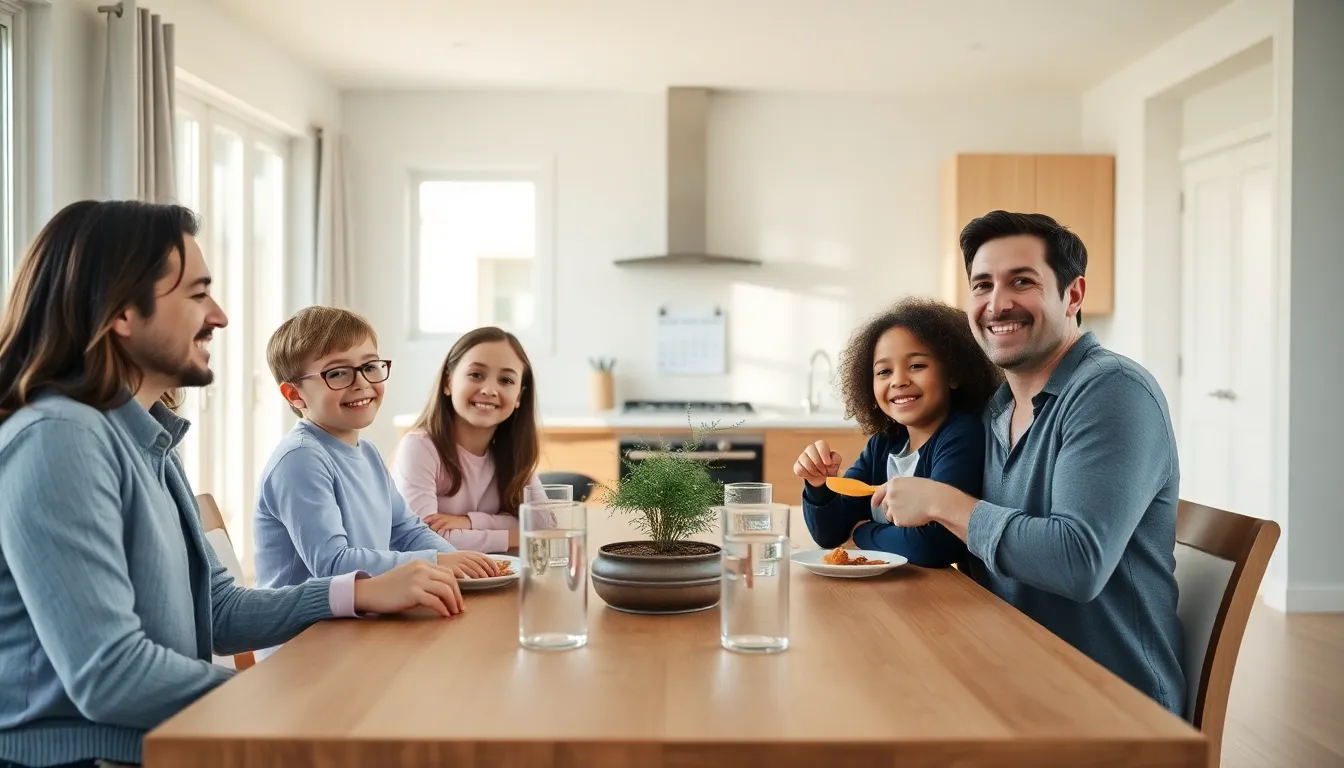
Family dinners matter more than most parents realize. Studies consistently link regular family meals to better grades, lower rates of substance abuse, and stronger emotional health in children. Yet only about 30% of families eat together regularly.
Top family routines prioritize this shared time:
Aim for consistency, not perfection. Five home-cooked meals together each week beats one elaborate Sunday dinner. Pizza counts. Takeout counts. Being present counts most.
Put devices away. Phones on the table kill conversation. A basket by the door or a charging station in another room removes temptation for everyone.
Use conversation starters. “How was your day?” rarely sparks discussion. Try “What made you laugh today?” or “What’s something you learned?” These questions invite real answers.
Involve kids in meal prep. Even young children can wash vegetables, set the table, or stir ingredients. This teaches life skills and creates investment in the meal.
Evening routines extend beyond dinner:
Establish a predictable bedtime sequence. Bath, pajamas, teeth, story, bed. The same order every night signals to children’s brains that sleep is coming.
Create a wind-down period. Screen time before bed disrupts sleep. Reading, puzzles, or quiet play help children transition more smoothly.
End with connection. A goodnight ritual, whether it’s a song, a prayer, or sharing three good things from the day, reinforces security and love.
These evening family routines create the calm ending every household needs.
Weekend Traditions for Quality Time
Weekdays run on efficiency. Weekends offer something different: unhurried time together. The best family routines include traditions that everyone looks forward to.
Saturday morning rituals. Some families make pancakes together. Others watch cartoons in pajamas until noon. The activity matters less than the consistency. Kids remember these traditions for decades.
Weekly outings. A regular trip to the park, library, or farmer’s market gives families shared experiences. It doesn’t require money, nature walks and playground visits work just as well.
Game or movie nights. Designating Friday as game night or Sunday as movie night creates anticipation. Let kids take turns choosing.
One-on-one time. In busy families, individual attention gets lost. Scheduling regular solo time with each child, even 30 minutes, strengthens the parent-child bond.
Service projects. Volunteering together teaches values and creates shared purpose. Even young kids can help at food banks or community cleanups.
Seasonal traditions. Apple picking in fall. Beach days in summer. Holiday cookie baking. These markers create a sense of family identity and give kids anchors throughout the year.
Top family routines balance structure and spontaneity. Weekends need some plans, but they also need space for lazy mornings and unplanned adventures.
Tips for Building Consistent Family Routines
Knowing what family routines to build is one thing. Actually building them is another. Here’s how families can create lasting habits:
Start small. Don’t overhaul everything at once. Pick one routine, morning or bedtime, and focus there first. Add others once the first becomes automatic.
Involve the whole family. Kids follow routines better when they help create them. Hold a family meeting. Ask for input. Give children ownership over parts of the process.
Be specific. “Clean up after dinner” is vague. “Clear your plate to the sink and wipe your spot at the table” gives clear direction.
Use visual reminders. Charts, checklists, and timers help everyone stay on track. These tools reduce arguments because the system, not the parent, sets expectations.
Expect resistance. New routines feel hard at first. Kids push back. Parents get tired. This is normal. Consistency through the first few weeks usually leads to acceptance.
Allow flexibility. Family routines shouldn’t become prisons. Sick days, holidays, and special occasions warrant adjustments. The goal is a helpful framework, not rigid rules.
Celebrate wins. Notice when routines work. A simple “We got out the door on time today.” reinforces progress.
Adjust as kids grow. A toddler’s routine looks different from a teenager’s. Revisit and update family routines as children’s needs change.
The best family routines evolve. They serve the family, not the other way around.