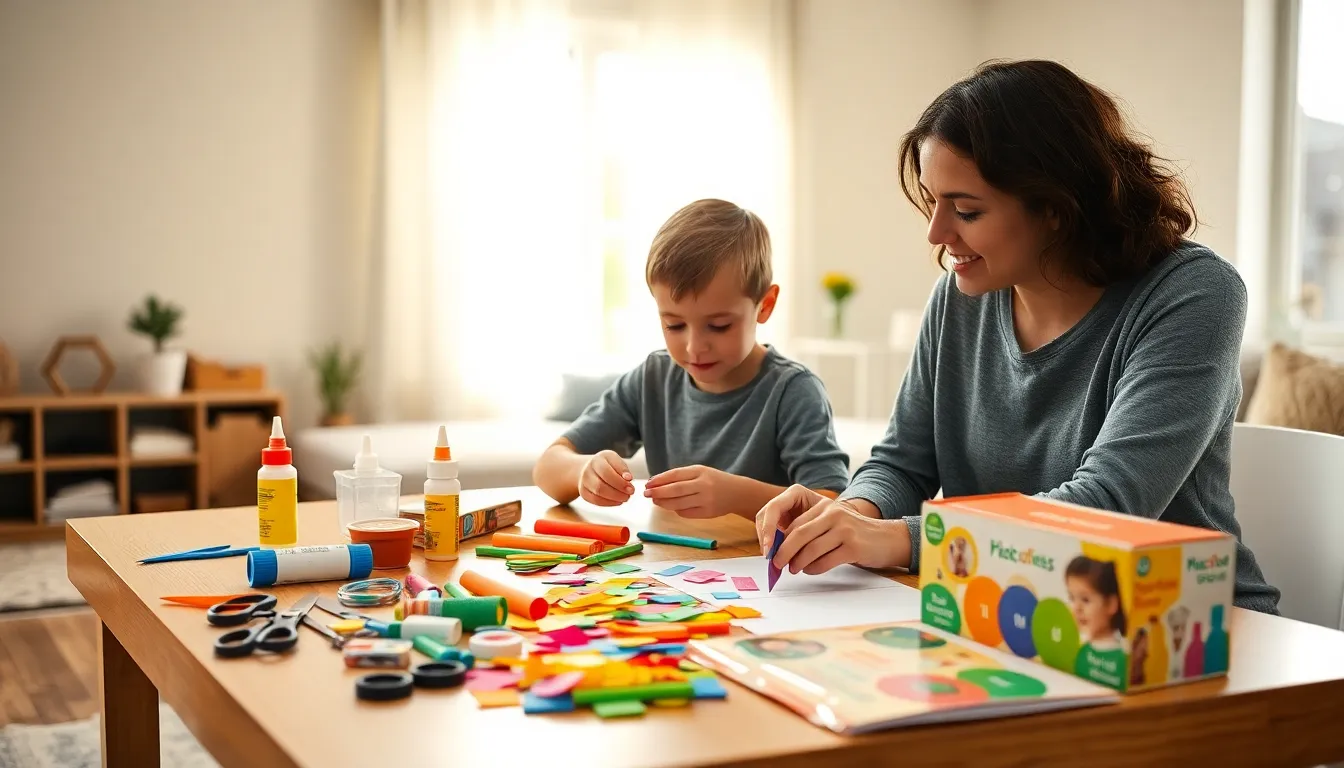
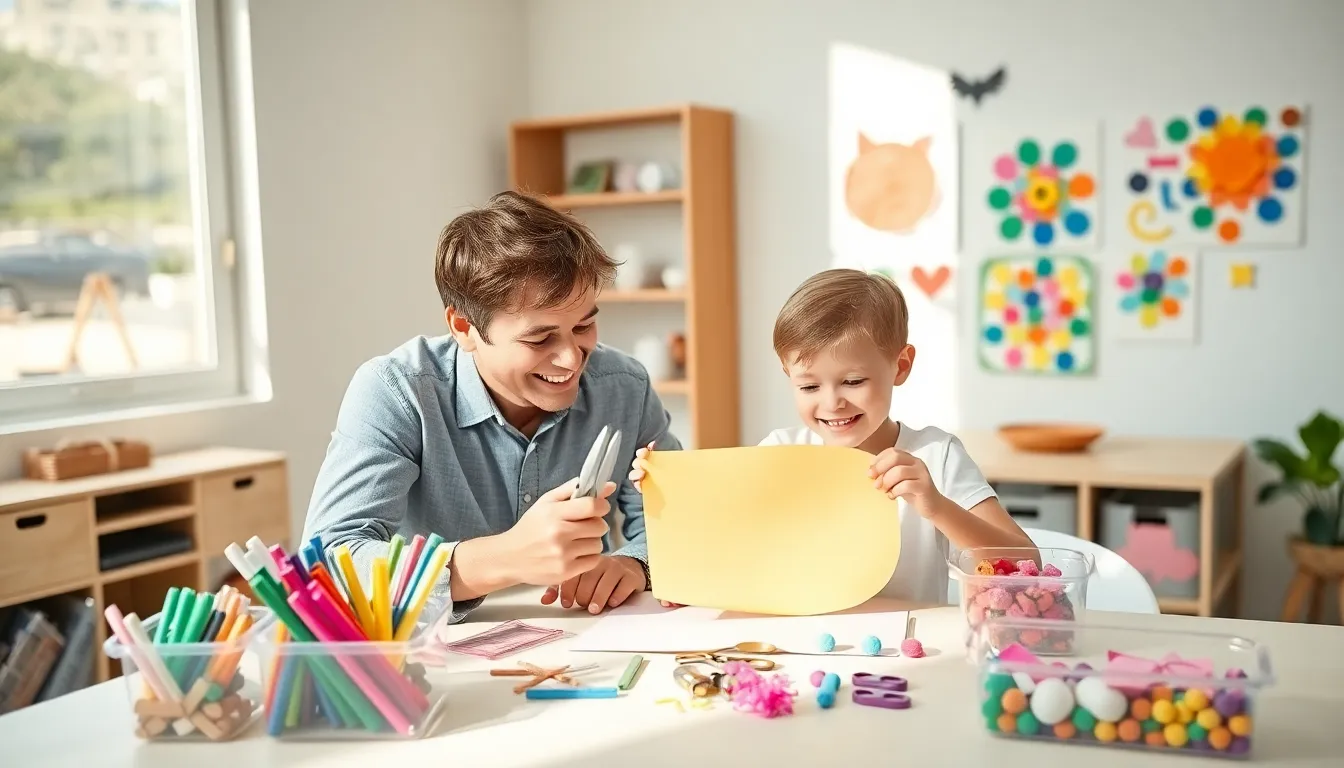
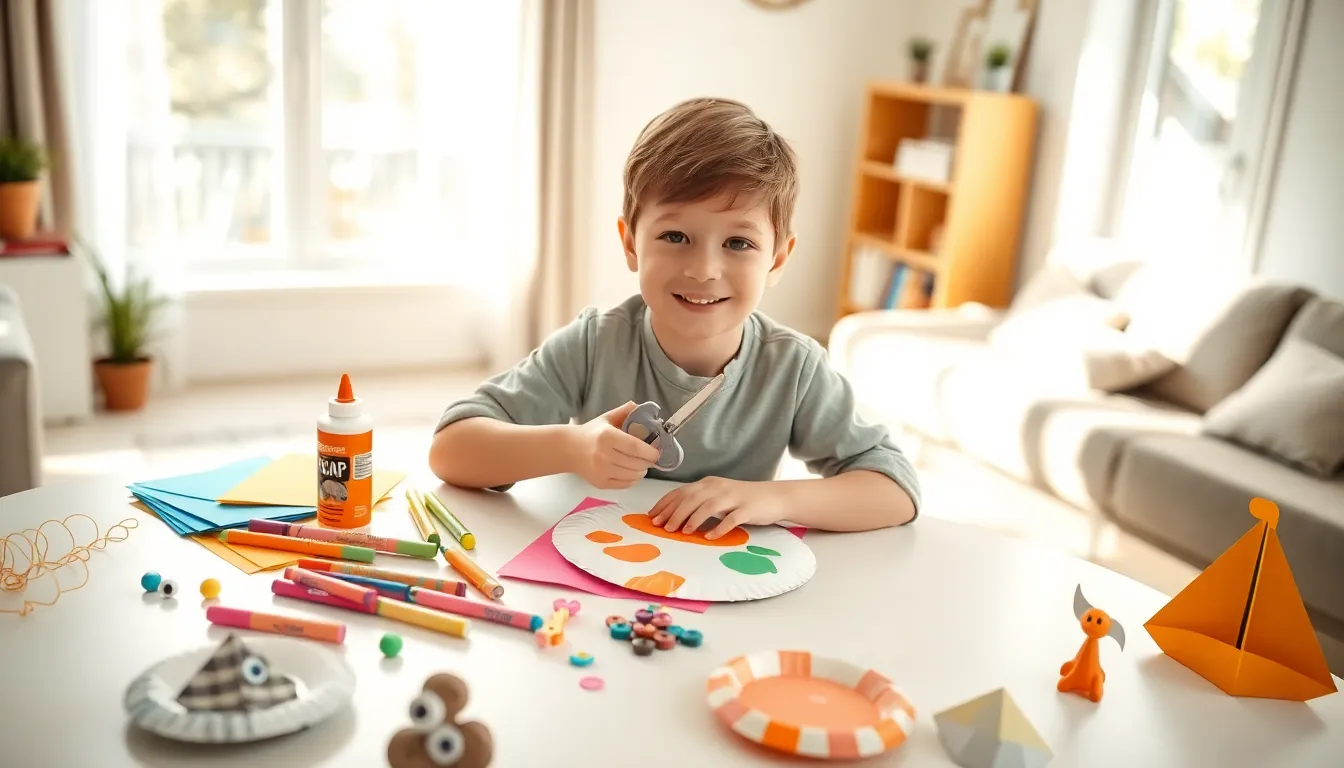
Crafts and DIY for kids involve hands-on creative projects that children complete independently or with adult guidance. These activities range from simple paper crafts to more involved building projects, depending on a child’s age and skill level. Parents often wonder what crafts and DIY for kids really means and how to get started. This guide breaks down the basics, explains the benefits, and offers practical advice for bringing creative projects into any home.
Table of Contents
ToggleKey Takeaways
- Crafts and DIY for kids are hands-on projects where children create tangible items, building confidence and problem-solving skills.
- These activities deliver real developmental benefits including fine motor skills, cognitive growth, emotional expression, and improved focus.
- Age-appropriate project selection is crucial—toddlers thrive with sensory activities while older kids can handle complex builds like woodworking and electronics.
- Getting started requires only basic supplies like paper, scissors, glue, and paint, plus recycled materials from around the house.
- Successful craft sessions prioritize creative freedom and process over perfection—let kids express themselves without strict rules.
- Scheduling regular craft time helps children build a habit of creative expression and gives them something to look forward to.
Understanding Crafts and DIY Activities for Children
Crafts and DIY for kids describe any project where children create something with their hands. DIY stands for “do it yourself,” and when applied to children’s activities, it means projects kids can complete with minimal help. These activities teach problem-solving, build confidence, and keep young minds engaged.
Crafts typically involve art supplies like paper, glue, scissors, paint, and markers. DIY projects often include building or assembling items, think birdhouses, simple robots, or homemade slime. Both categories encourage creativity and allow children to express themselves through physical creation.
The key difference between general play and crafts and DIY for kids lies in the outcome. Craft activities result in a finished product the child can keep, display, or give as a gift. This sense of accomplishment matters. Kids feel proud when they hold something they made themselves.
These activities work well at home, in classrooms, and at community centers. They require no special training for parents or teachers. Anyone can guide a child through a craft project with basic supplies and a bit of patience.
Key Benefits of Arts and Crafts for Kids
Crafts and DIY for kids deliver real developmental benefits backed by educators and child psychologists. Here’s what regular craft time offers:
Fine Motor Skill Development
Cutting, gluing, painting, and threading beads strengthen small muscles in hands and fingers. These skills transfer directly to writing, typing, and self-care tasks like buttoning shirts.
Cognitive Growth
Following instructions, measuring materials, and sequencing steps build critical thinking. Children learn cause and effect when they see how their choices affect the final product.
Emotional Expression
Art provides a safe outlet for feelings. Children who struggle to verbalize emotions often communicate through colors, shapes, and creative choices.
Patience and Focus
Completing a project from start to finish requires sustained attention. Crafts and DIY for kids naturally train concentration in a screen-heavy world.
Self-Esteem Boost
Finishing a craft gives children tangible proof of their abilities. They made something real. That feeling sticks.
Social Skills
Group craft activities teach sharing, cooperation, and communication. Kids learn to take turns with supplies and appreciate others’ work.
Popular Types of DIY Projects by Age Group
Not all crafts and DIY for kids suit every age. Here’s a breakdown of appropriate projects by developmental stage:
Toddlers (Ages 2-3)
Toddlers benefit from sensory-focused activities. Finger painting, play dough sculpting, and tearing paper for collages work well. Keep projects short, ten to fifteen minutes maximum. Expect mess. That’s part of the learning process.
Preschoolers (Ages 4-5)
Preschoolers can handle safety scissors and glue sticks. Paper plate animals, simple origami, and bead stringing become possible. They follow basic two-step instructions and enjoy projects with bright colors.
Early Elementary (Ages 6-8)
Children in this range tackle more complex crafts and DIY for kids. Friendship bracelets, painted rocks, and basic sewing projects hold their interest. They can work independently for longer periods and appreciate detailed results.
Older Kids (Ages 9-12)
Pre-teens handle adult supervision minimally. Model building, jewelry making, woodworking basics, and electronics kits challenge their growing abilities. They often develop specific interests and want to pursue particular craft types in depth.
Matching project difficulty to age prevents frustration. A three-year-old handed a complex origami pattern will give up quickly. An eleven-year-old given a toddler craft feels bored. Age-appropriate selection keeps crafts and DIY for kids enjoyable.
Essential Supplies to Get Started
Starting crafts and DIY for kids doesn’t require expensive materials. A basic supply kit covers most beginner projects:
- Paper: Construction paper, cardstock, and plain white sheets
- Scissors: Safety scissors for young children, pointed scissors for older kids
- Glue: Glue sticks for less mess, white school glue for stronger bonds
- Markers, Crayons, and Colored Pencils: Variety matters here
- Paint: Washable tempera or watercolors for easy cleanup
- Paintbrushes: Various sizes including foam brushes
- Pipe Cleaners and Pom Poms: Versatile for many projects
- Googly Eyes: Kids love adding these to almost anything
- Tape: Clear tape, masking tape, and washi tape for decoration
Store supplies in a dedicated craft bin or drawer. When materials stay organized and accessible, spontaneous craft sessions happen more often. Kids can grab what they need without waiting for adult assistance.
Budget-conscious families can supplement store-bought supplies with recycled materials. Cardboard boxes, toilet paper rolls, egg cartons, and bottle caps become craft gold. Crafts and DIY for kids thrive on creativity, not expensive materials.
Tips for Making Craft Time Successful
Even well-planned crafts and DIY for kids can go sideways without the right approach. These tips help sessions run smoothly:
Protect the Workspace
Lay down newspaper, plastic tablecloths, or old sheets before starting. Cleanup takes minutes instead of hours.
Set Realistic Expectations
A child’s finished project won’t look like the Pinterest photo. That’s okay. Process matters more than perfection. Praise effort over outcome.
Allow Creative Freedom
Provide instructions as guidelines, not rules. If a child wants to paint their butterfly purple instead of orange, let them. Crafts and DIY for kids should encourage individual expression.
Supervise Without Hovering
Stay close enough to help with tricky steps or safety concerns. Step back enough to let children problem-solve independently.
Embrace Imperfection
Wobbly lines, uneven cuts, and glue globs mark genuine kid-made creations. These “flaws” make projects special and authentic.
Make It Routine
Scheduled craft time, weekly or biweekly, gives children something to anticipate. Consistency builds the habit of creative expression.