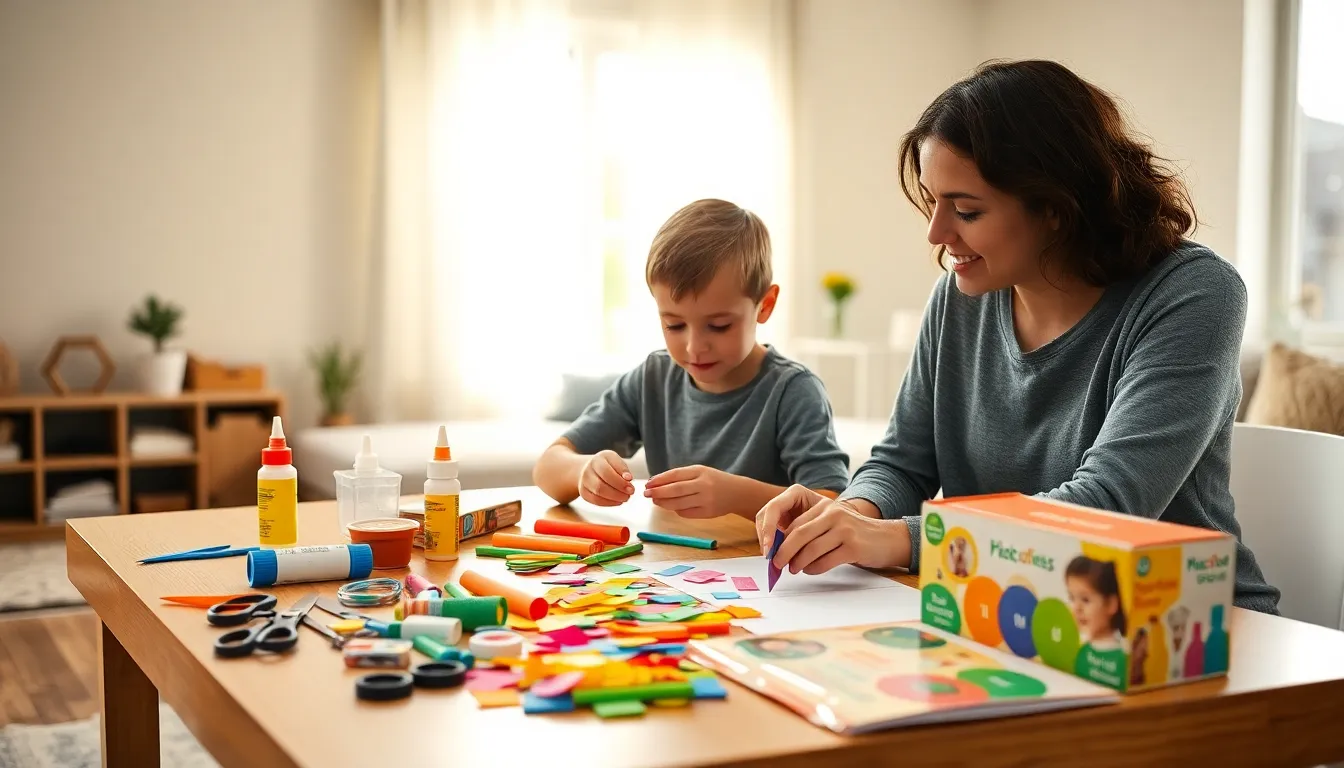
Family routines shape how households function daily. They provide structure, reduce stress, and help children develop essential life skills. But what exactly counts as a family routine, and why do these patterns matter so much?
This guide breaks down family routines, what they are, why they work, and how families can build them from scratch. Whether a household struggles with chaotic mornings or wants more quality time together, understanding family routines offers a practical starting point.
Table of Contents
ToggleKey Takeaways
- Family routines are predictable, repeated activities that create structure and reduce daily stress for every household member.
- Children with consistent family routines show better academic performance, stronger emotional regulation, and improved sleep quality.
- Effective family routines include morning preparation, mealtime schedules, homework periods, and bedtime patterns.
- Start small by focusing on one routine at a time—morning or bedtime routines are ideal starting points.
- Involve all family members in creating routines to increase buy-in and long-term success.
- Family routines should evolve as children grow, so review and adjust them periodically to match current needs.
Defining Family Routines
Family routines are predictable, repeated activities that household members do together or in coordination. These patterns happen at roughly the same time and in the same way, day after day or week after week.
Think of family routines as the rhythm of home life. A morning routine might include waking up at 7 AM, eating breakfast together, and leaving for school by 8 AM. An evening routine could involve assignments time, dinner at 6 PM, and a bedtime story.
Family routines differ from family rituals, though people often confuse them. Routines focus on what gets done, the practical tasks of daily life. Rituals carry emotional meaning and symbolism, like birthday traditions or holiday customs. Both matter, but family routines form the foundation of daily stability.
Researchers define family routines as observable, repetitive behaviors that involve two or more family members. These behaviors create predictability. Children know what comes next. Parents spend less energy making decisions. The household runs more smoothly as a result.
Common examples of family routines include:
- Morning wake-up and preparation sequences
- Mealtime schedules and practices
- Assignments and study periods
- Bath time and bedtime patterns
- Weekend activity schedules
- Chore assignments and completion times
Family routines don’t need to be rigid or complicated. Simple consistency matters more than perfection. A family that eats dinner together three nights a week has established a routine. A parent who reads to their child every night before bed has created a routine. These small, repeated actions add up to significant benefits over time.
Why Family Routines Matter
Family routines deliver measurable benefits for children and adults alike. Research consistently shows that households with established routines experience better outcomes across multiple areas.
Benefits for Children
Children thrive on predictability. When they know what to expect, their anxiety decreases. Family routines give kids a sense of security and control in their environment.
Studies link family routines to:
- Better academic performance
- Improved social skills
- Stronger emotional regulation
- Higher self-esteem
- Better sleep quality
- Healthier eating habits
A 2018 study published in the Journal of Developmental & Behavioral Pediatrics found that preschoolers with consistent bedtime routines showed better language development and literacy skills. The routine itself, bath, book, bed, created conditions for learning and bonding.
Family routines also help children develop executive function skills. They learn to plan ahead, manage time, and follow sequences. These skills transfer to school and social settings.
Benefits for Parents
Parents benefit from family routines too. Predictable patterns reduce daily decision fatigue. Instead of negotiating screen time every evening, established routines set clear expectations.
Family routines also:
- Lower parental stress levels
- Create more quality time together
- Reduce household conflict
- Improve work-life balance
- Support consistent discipline
Benefits for Family Connection
Perhaps most importantly, family routines create opportunities for connection. Shared meals, bedtime stories, and weekend activities build relationships. These repeated moments become the fabric of family identity.
Family routines matter because they transform chaotic households into functional ones. They give every family member, from toddlers to teenagers, a framework for daily life.
Types of Family Routines
Family routines fall into several categories based on timing and purpose. Understanding these types helps households identify where they need more structure.
Morning Routines
Morning routines set the tone for the entire day. They typically include waking up, hygiene tasks, breakfast, and preparation for school or work. Strong morning routines reduce rushing, forgotten items, and stressful goodbyes.
Effective morning family routines often involve:
- Consistent wake-up times
- A set order of tasks (dress, eat, brush teeth)
- Preparation the night before (clothes laid out, bags packed)
- Built-in buffer time for unexpected delays
Mealtime Routines
Mealtime routines extend beyond just eating. They include meal planning, grocery shopping, cooking, setting the table, and cleaning up. Family routines around meals create opportunities for conversation and connection.
Research shows that families who eat together regularly raise children with better vocabulary, healthier relationships with food, and lower rates of substance abuse.
Assignments and Learning Routines
School-age children benefit from consistent assignments routines. These family routines designate when, where, and how assignments happens. Some families set a “assignments hour” right after school. Others prefer a break first, then focused study time before dinner.
Bedtime Routines
Bedtime routines prepare children (and adults) for quality sleep. A consistent sequence, like bath, pajamas, teeth brushing, story, lights out, signals the body to wind down. Family routines at bedtime often become cherished bonding moments.
Weekend and Leisure Routines
Not all family routines involve tasks. Weekend routines might include Saturday morning pancakes, Sunday family walks, or movie nights. These predictable leisure activities strengthen family bonds and give everyone something to look forward to.
Seasonal and Occasional Routines
Some family routines occur weekly, monthly, or seasonally. Examples include weekly grocery shopping trips, monthly family meetings, or seasonal traditions like spring cleaning. These routines add structure to longer time frames.
How to Create Effective Family Routines
Building family routines takes intention, but it doesn’t require perfection. Here’s a practical approach to creating routines that stick.
Step 1: Identify Problem Areas
Start by noticing where daily life feels chaotic. Do mornings involve yelling and rushing? Does bedtime drag on for hours? These pain points reveal where family routines could help most.
Ask every family member what frustrates them about daily life. Their answers guide routine development.
Step 2: Start Small
Don’t overhaul everything at once. Pick one routine to establish first. Morning routines or bedtime routines often make good starting points because they bookend each day.
A single, consistent routine builds momentum. Success with one routine makes adding others easier.
Step 3: Involve Everyone
Family routines work better when everyone participates in creating them. Hold a family meeting to discuss the new routine. Let children offer input on timing and sequence. Ownership increases buy-in.
For young children, visual schedules with pictures help them follow family routines independently.
Step 4: Be Specific and Realistic
Vague intentions don’t become family routines. Instead of “we’ll have better mornings,” define exactly what happens: “Wake up at 6:45. Get dressed. Eat breakfast by 7:15. Leave at 7:40.”
Build in realistic time buffers. If getting dressed takes 15 minutes, don’t schedule 5.
Step 5: Stay Consistent (But Flexible)
Family routines need consistency to take hold. Aim for at least three weeks of regular practice before evaluating whether a routine works.
That said, flexibility matters too. Life happens. Sick days, holidays, and special events disrupt family routines temporarily. The goal is returning to the routine afterward, not rigid adherence.
Step 6: Adjust as Needed
Family routines should evolve as children grow and circumstances change. A routine that worked for a preschooler won’t suit a teenager. Review family routines periodically and modify them to match current needs.